







Concierge Medicine Reinvented
All the benefits of concierge care - without the 50,000 EUR price tag. Work with one of the best clinical teams in the world. Limited offer
Axo Longevity Concierge Tier

(performance, sports, gut, nutrition)

100+ biomarker blood tests

First access to new features at special pricing (DEXA, MRI, supplements)

Advanced biological age testing designed to act as a timely warning system for disease development by looking into chronic inflammation and immune health.

2x with Dr. Niko (Real Madrid) or Dr. Andy (ex Red Bull high performance).

Annual Founding Member event - Location TBD

Direct WhatsApp/email access to clinician team.

Custom protocol design for specific performance goals.
Our biomarker protocols are crafted by legends of sports medicine and Longevity
.jpg)
A global authority in human performance science. As former Head of High Performance at Red Bull, PhD. Walshe directed Red Bull Stratos and the largest empirical study of human creativity ever conducted. His advisory work spans the NFL, NBA, Premier League, Formula 1, DARPA, NASA, Google X, and special operations military units. He currently advises U.S., UK, and Australian Olympic teams ahead of LA 2028.
At Axo Longevity, Dr. Walshe shapes the platform's performance philosophy, embedding the principles used to optimise elite athletes into every member's longevity journey.



Over 30 years at the intersection of elite sport and preventive medicine. MD. Mihic currently serves as Medical Supervisor at Real Madrid FC, Head of NBA Research in Europe, and NFL Europe Medical Consultant. His career spans the European Space Agency, NATO, the British Air Force, and major emergency medicine centres. Forbes named him one of Spain's 25 Most Influential Healthcare Providers.
At Axo Longevity, MD Mihic leads medical strategy, protocol design, and clinical oversight, ensuring every member receives care built to the same standard as the world's top athletes.



Over 30 years at the forefront of aesthetic and longevity medicine. Dr. Planas is Medical Director of Clínica Planas in Barcelona and Madrid, the clinic founded by his father, Dr. Jaime Planas, as one of the first plastic surgery clinics in Europe. He serves as Secretary General of the Spanish Society for Anti-Aging and Longevity (SEMAL) and is a founding member of AMREF España and an honorary academic of the Ramón y Cajal Academy of Health Sciences. Forbes named him one of Spain's 100 best doctors.
At Axo Longevity, Dr. Planas advises on longevity and preventive care, bringing decades of clinical leadership to the standard behind every member's plan.















What we test
Addictions


Hemoglobin A1c (HbA1c)
Average glycemia over prior 8–12 weeks. Used to diagnose and monitor diabetes management.
Platelet count
Number of platelets, essential for clotting. Low counts risk bleeding, high counts risk thrombosis.
HDL-Cholesterol
HDL-Cholesterol: A laboratory measurement. Consult clinical resources for specific interpretation.
pH (Urine)
A measure of how acidic or alkaline urine is, expressed on a scale from 0 to 14.
Allergies
Platelet count
Number of platelets, essential for clotting. Low counts risk bleeding, high counts risk thrombosis.
Sex hormone binding globulin (SHBG)
Sex hormone-binding globulin produced by liver; binds sex hormones and modulates their bioavailability.
Zinc
Zinc is an essential trace mineral measured in blood to evaluate nutritional status, immune function, and metabolic health.
Eosinophils
Proportion of eosinophils, associated with allergic responses and parasitic infections.
White blood cell (WBC) Urine
Urine white blood cells (WBCs) measure the presence of immune cells in urine to help detect infection or inflammation in the urinary tract.
Blood
ABO group
Determines blood type (A, B, AB, O) based on surface antigens.
Essential for transfusions and transplant compatibility.
Rhesus (Rh) factor
The Rhesus (Rh) factor is a protein found on the surface of red blood cells that determines whether a person’s blood type is Rh-positive or Rh-negative. Important for transfusion safety and pregnancy management.
Hematocrit
The proportion of blood volume occupied by red blood cells. Low values indicate anemia. High values suggest dehydration or polycythemia.
Hemoglobin
Oxygen-carrying protein in red blood cells. Low hemoglobin indicates anemia and reduced oxygen delivery. High levels may reflect dehydration or polycythemia.
Red blood cell (RBC) count
Number of circulating erythrocytes. Deviations indicate anemia, marrow disorders, or dehydration.
Bone Health
Ferritin
Iron storage protein indicating iron stores. Low ferritin indicates deficiency, high may reflect inflammation or iron overload.
Estradiol (E2)
Primary estrogen regulating reproductive and bone health. Levels vary by sex, age, and cycle phase.
Sex hormone binding globulin (SHBG)
Sex hormone-binding globulin produced by liver; binds sex hormones and modulates their bioavailability.
Creatinine
A muscle metabolism byproduct cleared by kidneys. Elevated serum creatinine suggests reduced glomerular filtration.
High-sensitivity C-reactive protein (hs-CRP)
High-sensitivity C-reactive protein (hs-CRP): A laboratory measurement. Consult clinical resources for specific interpretation.
Cancer
Ferritin
Iron storage protein indicating iron stores. Low ferritin indicates deficiency, high may reflect inflammation or iron overload.
Platelet count
Number of platelets, essential for clotting. Low counts risk bleeding, high counts risk thrombosis.
Creatinine
A muscle metabolism byproduct cleared by kidneys. Elevated serum creatinine suggests reduced glomerular filtration.
High-sensitivity C-reactive protein (hs-CRP)
High-sensitivity C-reactive protein (hs-CRP): A laboratory measurement. Consult clinical resources for specific interpretation.
Uric acid
End-product of purine metabolism. Elevated levels increase risk of gout and may signal metabolic dysfunction.
Cognition
Ferritin
Iron storage protein indicating iron stores. Low ferritin indicates deficiency, high may reflect inflammation or iron overload.
Hemoglobin A1c (HbA1c)
Average glycemia over prior 8–12 weeks. Used to diagnose and monitor diabetes management.
Omega-6 / Omega-3 ratio
A blood or lipid-based measure that compares omega-6 fatty acids to omega-3 fatty acids, indicating balance between pro- and anti-inflammatory fats.
Sex hormone binding globulin (SHBG)
Sex hormone-binding globulin produced by liver; binds sex hormones and modulates their bioavailability.
Zinc
Zinc is an essential trace mineral measured in blood to evaluate nutritional status, immune function, and metabolic health.
Dental & mouth health
Platelet count
Number of platelets, essential for clotting. Low counts risk bleeding, high counts risk thrombosis.
Zinc
Zinc is an essential trace mineral measured in blood to evaluate nutritional status, immune function, and metabolic health.
Iron (serum)
Serum iron measures circulating iron bound to transferrin. Low in iron deficiency, high in overload.
Magnesium
Essential cofactor for many enzymes and neuromuscular function. Low magnesium can cause arrhythmias and muscle cramps.
Calcium
Mineral crucial for bone health, neuromuscular function, and signaling. Abnormal levels suggest parathyroid, renal, or vitamin D disorders.
Energy, Stress, Fatige
Cortisol
Morning cortisol reflecting HPA axis activity. Abnormal levels indicate adrenal dysfunction or stress adaptation issues.
Ferritin
Iron storage protein indicating iron stores. Low ferritin indicates deficiency, high may reflect inflammation or iron overload.
Hemoglobin A1c (HbA1c)
Average glycemia over prior 8–12 weeks. Used to diagnose and monitor diabetes management.
Platelet count
Number of platelets, essential for clotting. Low counts risk bleeding, high counts risk thrombosis.
High-sensitivity C-reactive protein (hs-CRP)
High-sensitivity C-reactive protein (hs-CRP): A laboratory measurement. Consult clinical resources for specific interpretation.
Environmental toxins (detox)
Lead
A measurement of the amount of lead present in the blood, used to assess exposure to this toxic heavy metal.
Mercury
Mercury: A laboratory measurement. Consult clinical resources for specific interpretation.
Platelet count
Number of platelets, essential for clotting. Low counts risk bleeding, high counts risk thrombosis.
Zinc
Zinc is an essential trace mineral measured in blood to evaluate nutritional status, immune function, and metabolic health.
Red blood cell (RBC) count
Number of circulating erythrocytes. Deviations indicate anemia, marrow disorders, or dehydration.
Eye health
Estradiol (E2)
Primary estrogen regulating reproductive and bone health. Levels vary by sex, age, and cycle phase.
Platelet count
Number of platelets, essential for clotting. Low counts risk bleeding, high counts risk thrombosis.
Zinc
Zinc is an essential trace mineral measured in blood to evaluate nutritional status, immune function, and metabolic health.
Triglycerides
Circulating fats used for energy. Elevated levels are associated with metabolic syndrome and cardiovascular risk.
Total protein
Total protein is a blood test that measures the combined amount of proteins in the blood, mainly albumin and globulin, to assess overall health.
Fitness
Ferritin
Iron storage protein indicating iron stores. Low ferritin indicates deficiency, high may reflect inflammation or iron overload.
Zinc
Zinc is an essential trace mineral measured in blood to evaluate nutritional status, immune function, and metabolic health.
Creatinine
A muscle metabolism byproduct cleared by kidneys. Elevated serum creatinine suggests reduced glomerular filtration.
High-sensitivity C-reactive protein (hs-CRP)
High-sensitivity C-reactive protein (hs-CRP): A laboratory measurement. Consult clinical resources for specific interpretation.
Uric acid
End-product of purine metabolism. Elevated levels increase risk of gout and may signal metabolic dysfunction.
Food Sensitivities
Ferritin
Iron storage protein indicating iron stores. Low ferritin indicates deficiency, high may reflect inflammation or iron overload.
Zinc
Zinc is an essential trace mineral measured in blood to evaluate nutritional status, immune function, and metabolic health.
High-sensitivity C-reactive protein (hs-CRP)
High-sensitivity C-reactive protein (hs-CRP): A laboratory measurement. Consult clinical resources for specific interpretation.
Gamma-glutamyl transferase (GGT)
Gamma‑glutamyl transferase, sensitive to biliary injury and alcohol exposure. Elevated in cholestasis.
Testosterone, free
Unbound testosterone available to tissues. More directly correlates with androgenic effects than total testosterone.
Gut health
Ferritin
Iron storage protein indicating iron stores. Low ferritin indicates deficiency, high may reflect inflammation or iron overload.
Specific gravity (Urine)
Urine specific gravity measures the concentration of urine to assess hydration status and kidney function.
Platelet count
Number of platelets, essential for clotting. Low counts risk bleeding, high counts risk thrombosis.
Zinc
Zinc is an essential trace mineral measured in blood to evaluate nutritional status, immune function, and metabolic health.
Creatinine
A muscle metabolism byproduct cleared by kidneys. Elevated serum creatinine suggests reduced glomerular filtration.
Headaches & migraines
Ferritin
Iron storage protein indicating iron stores. Low ferritin indicates deficiency, high may reflect inflammation or iron overload.
Platelet count
Number of platelets, essential for clotting. Low counts risk bleeding, high counts risk thrombosis.
Zinc
Zinc is an essential trace mineral measured in blood to evaluate nutritional status, immune function, and metabolic health.
High-sensitivity C-reactive protein (hs-CRP)
High-sensitivity C-reactive protein (hs-CRP): A laboratory measurement. Consult clinical resources for specific interpretation.
Iron (serum)
Serum iron measures circulating iron bound to transferrin. Low in iron deficiency, high in overload.
Hearing & balance
Ferritin
Iron storage protein indicating iron stores. Low ferritin indicates deficiency, high may reflect inflammation or iron overload.
Hemoglobin
Oxygen-carrying protein in red blood cells. Low hemoglobin indicates anemia and reduced oxygen delivery. High levels may reflect dehydration or polycythemia.
Zinc
Zinc is an essential trace mineral measured in blood to evaluate nutritional status, immune function, and metabolic health.
High-sensitivity C-reactive protein (hs-CRP)
High-sensitivity C-reactive protein (hs-CRP): A laboratory measurement. Consult clinical resources for specific interpretation.
DHEA-S (DHEA sulfate)
Adrenal steroid precursor reflecting adrenal androgen production. Altered levels occur in adrenal or gonadal disorders.
Heart & Blood Vessels
Total cholesterol (and total/HDL ratio)
Sum of cholesterol across lipoproteins. Higher levels correlate with increased cardiovascular risk.
HDL-Cholesterol
HDL-Cholesterol: A laboratory measurement. Consult clinical resources for specific interpretation.
HDL Large
HDL Large refers to the larger, more protective subfraction of high-density lipoprotein (HDL) particles involved in cholesterol transport.
Triglycerides
Circulating fats used for energy. Elevated levels are associated with metabolic syndrome and cardiovascular risk.
Non-HDL cholesterol
High-density lipoprotein involved in reverse cholesterol transport. Higher HDL is generally protective.
Immunity & Infections
White blood cell (WBC) Urine
Urine white blood cells (WBCs) measure the presence of immune cells in urine to help detect infection or inflammation in the urinary tract.
Neutrophils
Proportion of neutrophils among white cells. Elevation suggests bacterial infection or stress. Low levels increase infection risk.
Lymphocytes
Proportion of lymphocytes among white cells. Changes reflect viral infections, chronic inflammation, or immune disorders.
Monocytes
Proportion of monocytes, white cells involved in phagocytosis and inflammation. Elevations indicate chronic inflammation or recovery from infection.
Eosinophils
Proportion of eosinophils, associated with allergic responses and parasitic infections.
Inflammation & Autoimmunity
Antinuclear antibodies (ANA) screen
A test detecting autoantibodies against nuclear components. Positive ANA suggests autoimmune conditions like SLE but requires clinical correlation.
Rheumatoid factor (RF)
An autoantibody associated with rheumatoid arthritis and other autoimmune diseases. Presence supports diagnosis but is not specific.
Injuries
Ferritin
Iron storage protein indicating iron stores. Low ferritin indicates deficiency, high may reflect inflammation or iron overload.
Estradiol (E2)
Primary estrogen regulating reproductive and bone health. Levels vary by sex, age, and cycle phase.
Hemoglobin A1c (HbA1c)
Average glycemia over prior 8–12 weeks. Used to diagnose and monitor diabetes management.
Platelet count
Number of platelets, essential for clotting. Low counts risk bleeding, high counts risk thrombosis.
Sex hormone binding globulin (SHBG)
Sex hormone-binding globulin produced by liver; binds sex hormones and modulates their bioavailability.
Joint & tendon health
Platelet count
Number of platelets, essential for clotting. Low counts risk bleeding, high counts risk thrombosis.
Sex hormone binding globulin (SHBG)
Sex hormone-binding globulin produced by liver; binds sex hormones and modulates their bioavailability.
Zinc
Zinc is an essential trace mineral measured in blood to evaluate nutritional status, immune function, and metabolic health.
Creatinine
A muscle metabolism byproduct cleared by kidneys. Elevated serum creatinine suggests reduced glomerular filtration.
Uric acid
End-product of purine metabolism. Elevated levels increase risk of gout and may signal metabolic dysfunction.
Kidney health
Blood urea nitrogen (BUN)
Urea concentration reflecting protein metabolism and renal excretion. Elevated in renal impairment or volume depletion.
Creatinine
A muscle metabolism byproduct cleared by kidneys. Elevated serum creatinine suggests reduced glomerular filtration.
Creatinine-based estimated glomerular filtration rate (eGFR)
Estimated glomerular filtration rate assessing kidney filtration capacity. Lower values indicate impaired renal function.
Sodium (kidney)
Principal extracellular cation essential for fluid balance and neuromuscular function. Abnormalities suggest hydration or renal/endocrine issues.
Calcium (kidney)
Mineral crucial for bone health, neuromuscular function, and signaling. Abnormal levels suggest parathyroid, renal, or vitamin D disorders.
Liver health
Alanine transaminase (ALT)
A liver enzyme that helps convert proteins into energy and is a key marker of liver health.
Aspartate aminotransferase (AST)
Aspartate aminotransferase (AST): A laboratory measurement. Consult clinical resources for specific interpretation.
Alkaline phosphatase (ALP)
Enzyme from liver and bone. Elevated in cholestasis, bone turnover, or biliary obstruction.
Gamma-glutamyl transferase (GGT)
Gamma‑glutamyl transferase, sensitive to biliary injury and alcohol exposure. Elevated in cholestasis.
Albumin
Primary plasma protein synthesized by the liver. Maintains oncotic pressure and transports small molecules. Low levels suggest liver disease or malnutrition.
Longevity
Biological Age (estimate)
An algorithmic estimate of physiological age derived from biomarker patterns and clinical data. Used to track aging-related changes relative to chronological age.
Mental Health
Ferritin
Iron storage protein indicating iron stores. Low ferritin indicates deficiency, high may reflect inflammation or iron overload.
Estradiol (E2)
Primary estrogen regulating reproductive and bone health. Levels vary by sex, age, and cycle phase.
Hemoglobin A1c (HbA1c)
Average glycemia over prior 8–12 weeks. Used to diagnose and monitor diabetes management.
Omega-6 / Omega-3 ratio
A blood or lipid-based measure that compares omega-6 fatty acids to omega-3 fatty acids, indicating balance between pro- and anti-inflammatory fats.
Platelet count
Number of platelets, essential for clotting. Low counts risk bleeding, high counts risk thrombosis.
Nerve Health
Ferritin
Iron storage protein indicating iron stores. Low ferritin indicates deficiency, high may reflect inflammation or iron overload.
Hemoglobin A1c (HbA1c)
Average glycemia over prior 8–12 weeks. Used to diagnose and monitor diabetes management.
Platelet count
Number of platelets, essential for clotting. Low counts risk bleeding, high counts risk thrombosis.
Zinc
Zinc is an essential trace mineral measured in blood to evaluate nutritional status, immune function, and metabolic health.
Creatinine
A muscle metabolism byproduct cleared by kidneys. Elevated serum creatinine suggests reduced glomerular filtration.
Nutrition
Omega-3: EPA
A blood measurement of eicosapentaenoic acid (EPA), an omega-3 fatty acid linked to anti-inflammatory and cardiovascular support.
Omega-3: DHA
A laboratory measurement of docosahexaenoic acid (DHA), an essential omega-3 fatty acid important for brain, eye, and cardiovascular health.
Omega-3: DPA
A blood measurement of docosapentaenoic acid (DPA), a lesser-known omega-3 fatty acid that acts as an intermediate between EPA and DHA.
Omega-3 Total / OmegaCheck
A blood test that measures overall omega-3 fatty acid levels, mainly EPA and DHA, to assess nutritional and cardiovascular health status.
Omega-6: Arachidonic acid
A blood measurement of arachidonic acid, an omega-6 fatty acid involved in inflammation and cellular signaling.
Pain
Ferritin
Iron storage protein indicating iron stores. Low ferritin indicates deficiency, high may reflect inflammation or iron overload.
Estradiol (E2)
Primary estrogen regulating reproductive and bone health. Levels vary by sex, age, and cycle phase.
Hemoglobin A1c (HbA1c)
Average glycemia over prior 8–12 weeks. Used to diagnose and monitor diabetes management.
Platelet count
Number of platelets, essential for clotting. Low counts risk bleeding, high counts risk thrombosis.
Sex hormone binding globulin (SHBG)
Sex hormone-binding globulin produced by liver; binds sex hormones and modulates their bioavailability.
Pancreas Health (Blood Sugar Control)
Amylase
An enzyme that helps digest carbohydrates and is commonly used to assess pancreatic health.
Lipase
An enzyme primarily produced by the pancreas that helps break down dietary fats and is measured in blood to assess pancreatic function.
Hemoglobin A1c (HbA1c)
Average glycemia over prior 8–12 weeks. Used to diagnose and monitor diabetes management.
Albumin (microalbumin) - Urine
A urine test that measures small amounts of albumin to detect early kidney damage.
Sex hormone binding globulin (SHBG)
Sex hormone-binding globulin produced by liver; binds sex hormones and modulates their bioavailability.
Reproductive Health
Ferritin
Iron storage protein indicating iron stores. Low ferritin indicates deficiency, high may reflect inflammation or iron overload.
Estradiol (E2)
Primary estrogen regulating reproductive and bone health. Levels vary by sex, age, and cycle phase.
Hemoglobin A1c (HbA1c)
Average glycemia over prior 8–12 weeks. Used to diagnose and monitor diabetes management.
Mean platelet volume (MPV)
Average platelet size. Higher MPV indicates younger, more reactive platelets often seen with increased turnover.
Sex hormone binding globulin (SHBG)
Sex hormone-binding globulin produced by liver; binds sex hormones and modulates their bioavailability.
Respiratory Health
Ferritin
Iron storage protein indicating iron stores. Low ferritin indicates deficiency, high may reflect inflammation or iron overload.
Platelet count
Number of platelets, essential for clotting. Low counts risk bleeding, high counts risk thrombosis.
Sex hormone binding globulin (SHBG)
Sex hormone-binding globulin produced by liver; binds sex hormones and modulates their bioavailability.
Zinc
Zinc is an essential trace mineral measured in blood to evaluate nutritional status, immune function, and metabolic health.
Eosinophils
Proportion of eosinophils, associated with allergic responses and parasitic infections.
Sex Hormones
Ferritin
Iron storage protein indicating iron stores. Low ferritin indicates deficiency, high may reflect inflammation or iron overload.
Estradiol (E2)
Primary estrogen regulating reproductive and bone health. Levels vary by sex, age, and cycle phase.
Hemoglobin
Oxygen-carrying protein in red blood cells. Low hemoglobin indicates anemia and reduced oxygen delivery. High levels may reflect dehydration or polycythemia.
Sex hormone binding globulin (SHBG)
Sex hormone-binding globulin produced by liver; binds sex hormones and modulates their bioavailability.
High-sensitivity C-reactive protein (hs-CRP)
High-sensitivity C-reactive protein (hs-CRP): A laboratory measurement. Consult clinical resources for specific interpretation.
Sexual health
Prolactin
Pituitary hormone involved in lactation and reproductive regulation. Elevated prolactin can cause infertility or galactorrhea.
Prostate specific antigen (PSA) - total and free (%)
A blood test that measures total PSA and the proportion of free PSA to help assess prostate health and cancer risk.
Sex hormone binding globulin (SHBG)
Sex hormone-binding globulin produced by liver; binds sex hormones and modulates their bioavailability.
Testosterone, free
Unbound testosterone available to tissues. More directly correlates with androgenic effects than total testosterone.
Testosterone, total
Total circulating testosterone (bound + free). Indicates androgen status, fertility, and endocrine health.
Skin & beauty
Ferritin
Iron storage protein indicating iron stores. Low ferritin indicates deficiency, high may reflect inflammation or iron overload.
Estradiol (E2)
Primary estrogen regulating reproductive and bone health. Levels vary by sex, age, and cycle phase.
Omega-6 / Omega-3 ratio
A blood or lipid-based measure that compares omega-6 fatty acids to omega-3 fatty acids, indicating balance between pro- and anti-inflammatory fats.
Platelet count
Number of platelets, essential for clotting. Low counts risk bleeding, high counts risk thrombosis.
Glucose (serum)
Serum glucose is the level of sugar in the blood and serves as the body’s primary source of energy.
Sleep
Ferritin
Iron storage protein indicating iron stores. Low ferritin indicates deficiency, high may reflect inflammation or iron overload.
Hemoglobin
Oxygen-carrying protein in red blood cells. Low hemoglobin indicates anemia and reduced oxygen delivery. High levels may reflect dehydration or polycythemia.
High-sensitivity C-reactive protein (hs-CRP)
High-sensitivity C-reactive protein (hs-CRP): A laboratory measurement. Consult clinical resources for specific interpretation.
Gamma-glutamyl transferase (GGT)
Gamma‑glutamyl transferase, sensitive to biliary injury and alcohol exposure. Elevated in cholestasis.
Iron (serum)
Serum iron measures circulating iron bound to transferrin. Low in iron deficiency, high in overload.
Thyroid
Thyroglobulin antibodies (TgAb)
Thyroglobulin antibodies (TgAb) are immune proteins measured in blood to help detect autoimmune thyroid disorders.
Thyroid peroxidase antibodies (TPO)
Thyroid peroxidase antibodies (TPO): A laboratory measurement. Consult clinical resources for specific interpretation.
Thyroid-stimulating hormone (TSH)
Thyroid-stimulating hormone from the pituitary. Abnormal levels indicate primary or secondary thyroid dysfunction.
Free thyroxine (Free T4)
Unbound thyroxine hormone. Low levels suggest hypothyroidism, high indicate hyperthyroidism.
Free triiodothyronine (Free T3)
Active thyroid hormone affecting metabolism. Used in detailed thyroid evaluation.
Urinary Tract Health
Appearance (Urine)
A visual assessment of urine clarity and color used to provide initial insights into hydration and possible health conditions.
Color (Urine)
Urine color is a visual indicator of hydration status and possible underlying health conditions.
Specific gravity (Urine)
Urine specific gravity measures the concentration of urine to assess hydration status and kidney function.
pH (Urine)
A measure of how acidic or alkaline urine is, expressed on a scale from 0 to 14.
Bilirubin (Urine)
A urine marker that detects bilirubin, a byproduct of red blood cell breakdown, used to assess liver and bile duct health.
Weight & body fat
White blood cell (WBC) Urine
Urine white blood cells (WBCs) measure the presence of immune cells in urine to help detect infection or inflammation in the urinary tract.
Ferritin
Iron storage protein indicating iron stores. Low ferritin indicates deficiency, high may reflect inflammation or iron overload.
Hemoglobin A1c (HbA1c)
Average glycemia over prior 8–12 weeks. Used to diagnose and monitor diabetes management.
Omega-6 / Omega-3 ratio
A blood or lipid-based measure that compares omega-6 fatty acids to omega-3 fatty acids, indicating balance between pro- and anti-inflammatory fats.
Sex hormone binding globulin (SHBG)
Sex hormone-binding globulin produced by liver; binds sex hormones and modulates their bioavailability.
Axo Longevity Membership
€417/month

Axo Pro Membership +
 GlycanAge testing
- Comprehensive Genome testing
- Direct line communication with the clinical team
- Private longevity session with Niko Mihic or Andy Walshe
- Custom protocol design for specific performance goals
- Annual Founding Member event
- Features at special prizes
A cycle built for lifelong progress
Each pass deepens the picture, tracks your trajectory, and makes the next recommendation smarter than the last.
If you are in Netherlands, please check the extra step regarding a kit you will receive before going to the lab.
Choose from +1450 certified partner labs across Europe. Our first comprehensive draw captures +100 essential biomarkers, everything from cardiovascular markers and metabolic panels to hormone profiles and immune function. You show up. We handle the rest.

Our experts - not just algorithms - perform a whole-body analysis across cardiovascular, hormonal, metabolic, and immune systems. You receive an Axo Longevity Health Score, a Biological Age calculation, and a full breakdown of every marker: what it means, why it matters, and where you stand relative to true optimal ranges - not just lab reference ranges.
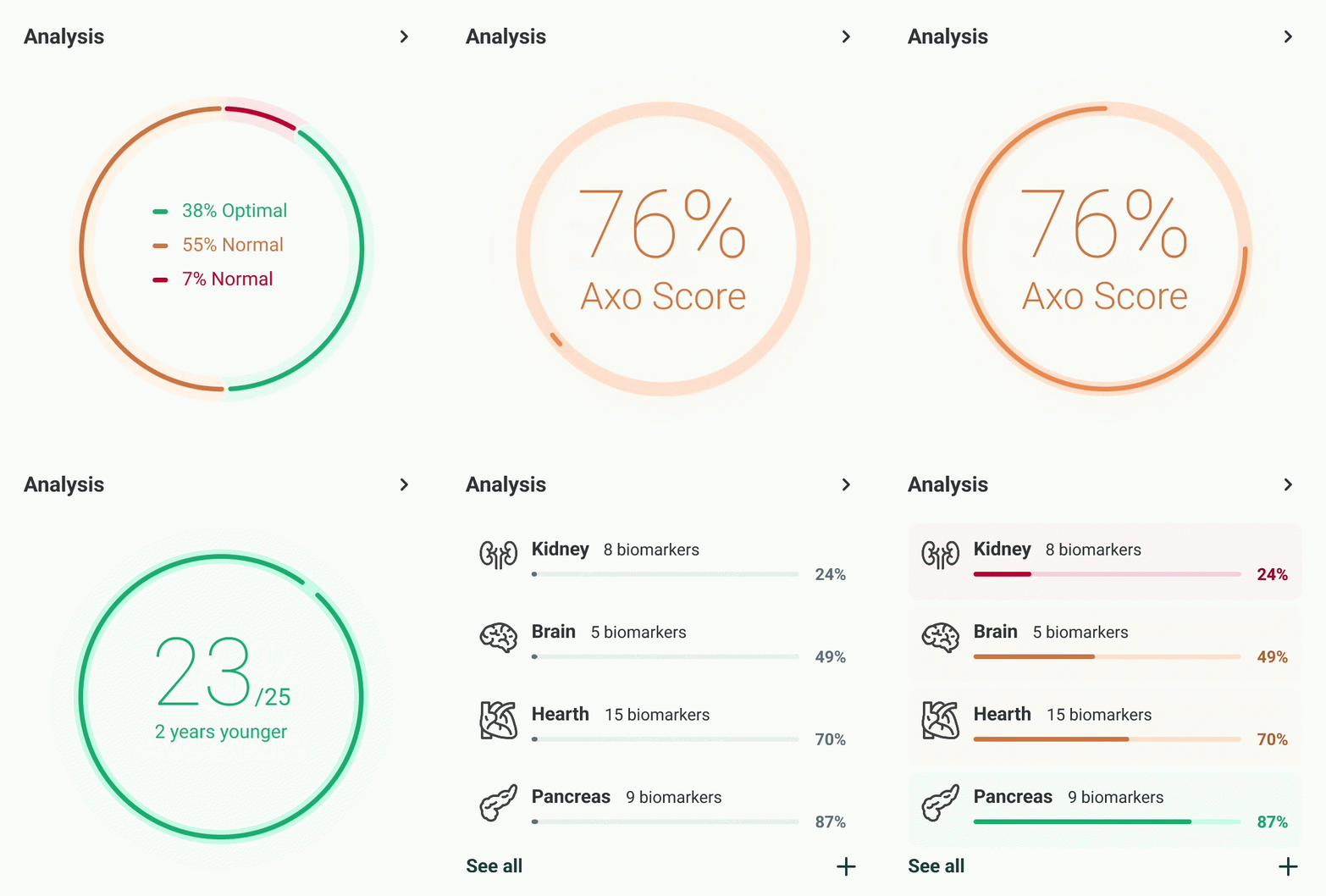
Your personalised health blueprint, built by Dr. Niko Mihic and Dr. Andy Walshe's sports science methodology. Not generic advice - specific, ranked, actionable interventions in nutrition, sleep, supplementation, exercise, and stress. Each recommendation is tied directly to your markers and calibrated to your lifestyle.
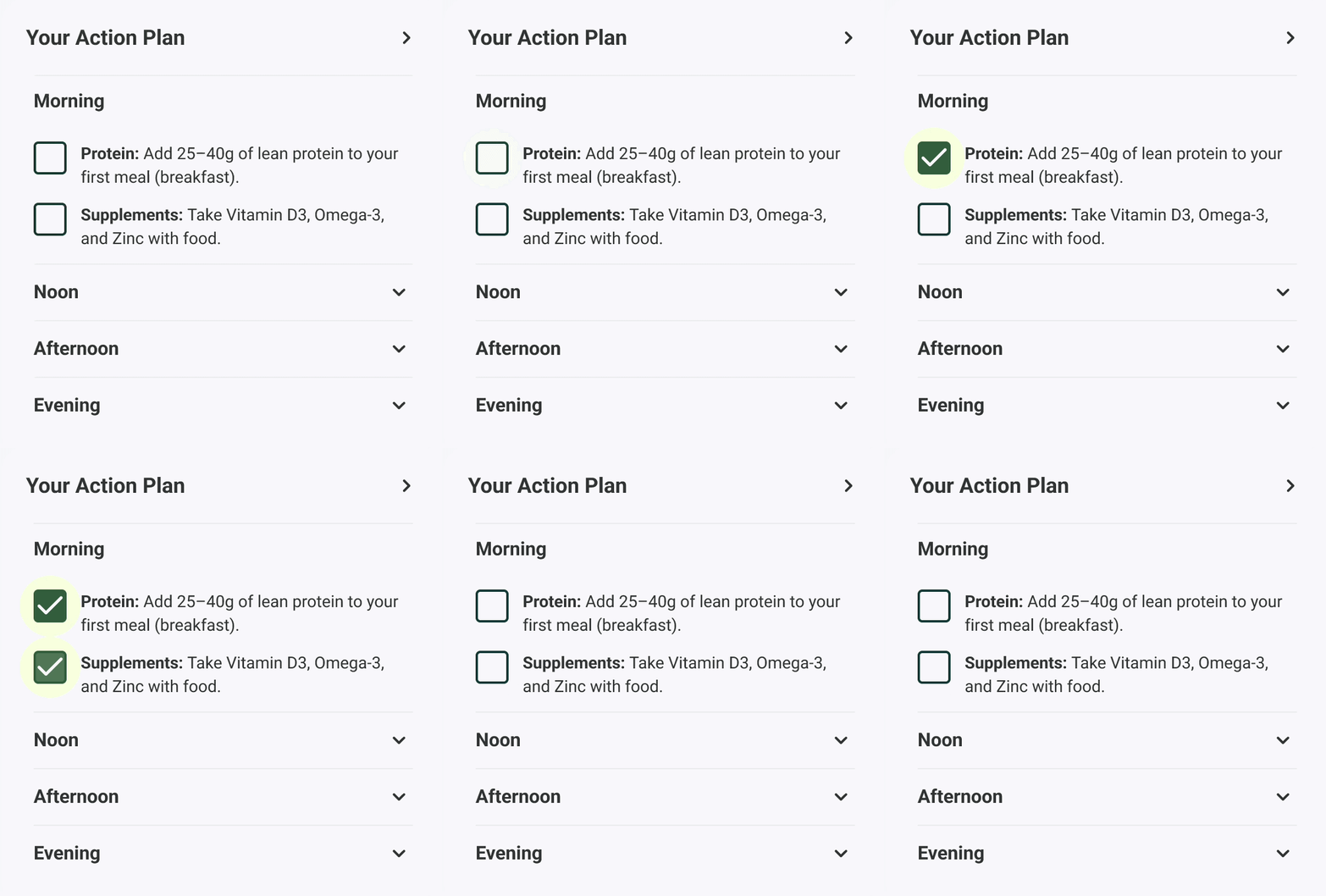
At the 6-month mark, a follow-up panel of targeted biomarkers confirms whether your interventions are working. Watch your score improve. See your biological age trend downward. Then the cycle begins again - deeper, sharper, and compounding with every pass.