
For decades, the standard lipid panel blood test has been the go-to for assessing heart disease risk. It’s a valuable starting point, but it provides an incomplete picture. Your total cholesterol number doesn’t tell the whole story, and even your LDL level can be misleading without more context.
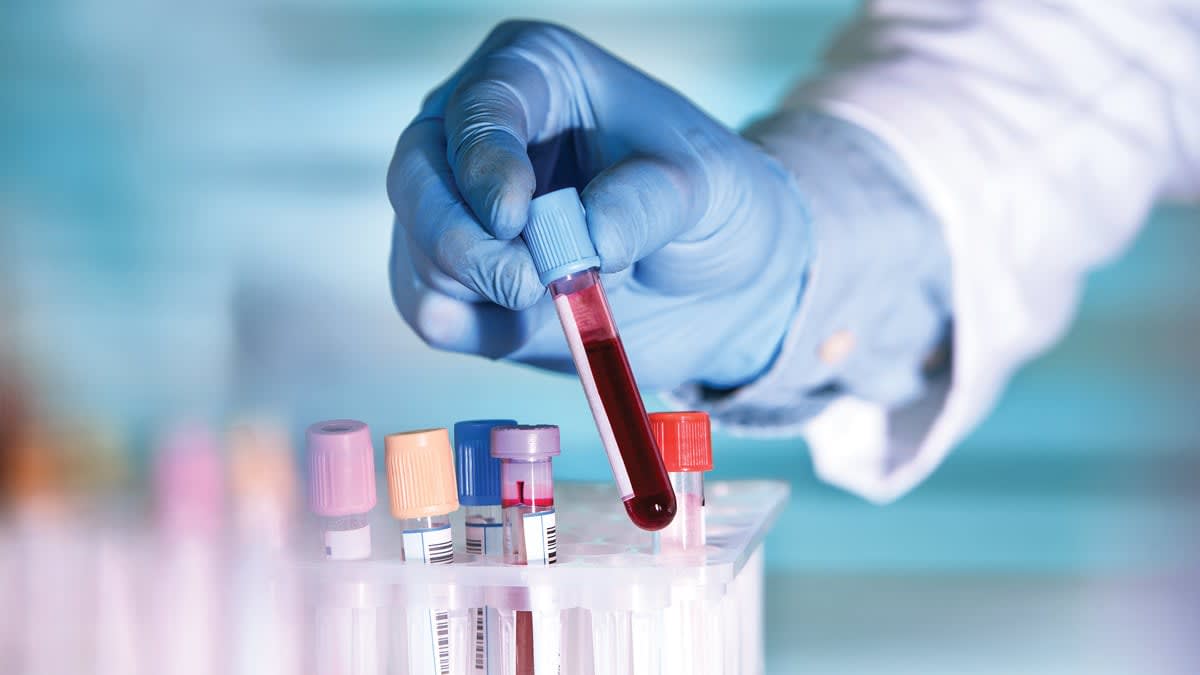
A lipid panel is a fundamental blood test that measures the amount of fats, or lipids, in your bloodstream. Think of it as a snapshot of your cardiovascular health. This test is crucial because high levels of certain lipids can lead to fatty deposits building up in your arteries, a condition known as atherosclerosis. Over time, this can increase your risk for heart disease and stroke. Understanding your lipid profile is a proactive step toward managing your long-term health. A standard panel gives you four key measurements: total cholesterol, LDL cholesterol, HDL cholesterol, and triglycerides. Let's break down what each of these means for you.
Your total cholesterol number is the sum of all the cholesterol in your blood. It’s a broad, top-level indicator of your heart health. While it provides a general overview, this number doesn’t tell the whole story on its own. It’s a combination of different types of cholesterol, including both the "good" and "bad" kinds. A high total cholesterol number might signal a need to look closer, but it’s the breakdown of that number that gives you actionable insights. Consider it the headline of your heart health story; the details that follow are what truly matter for understanding your personal risk.
Low-density lipoprotein, or LDL, is often called "bad cholesterol," and for good reason. When you have too much LDL in your blood, it can stick to the walls of your arteries, contributing to the buildup of plaque. This plaque narrows your arteries, making it harder for blood to flow through. High LDL levels are a significant risk factor for heart disease and stroke. A standard lipid panel will measure your LDL cholesterol, giving you a clear idea of whether you need to make lifestyle changes to bring this number down and protect your arteries from damage.
On the flip side, we have high-density lipoprotein, or HDL, known as "good cholesterol." HDL acts like a cleanup crew for your cardiovascular system. It travels through your bloodstream, collects excess LDL cholesterol, and carries it back to your liver to be removed from your body. Having higher levels of HDL is protective against heart disease. Unlike LDL, where lower is better, with HDL, you want to see a higher number. It’s a key player in maintaining a healthy balance of fats in your blood and keeping your arteries clear.
Triglycerides are another type of fat found in your blood that your body uses for energy. While you need them, high levels can be problematic. Excess calories, particularly from sugar and alcohol, are converted into triglycerides and stored in your fat cells. Consistently high triglyceride levels can contribute to the hardening of your arteries, increasing your risk for heart disease, heart attack, and stroke. This measurement is an important part of understanding your lipid panel and your overall metabolic health, as it’s often linked to other conditions like type 2 diabetes and metabolic syndrome.
While the standard lipid panel is a great starting point, it doesn’t always provide the full picture. For a more precise assessment of your cardiovascular risk, we look at advanced markers like Apolipoprotein B (ApoB). ApoB is the main protein found on LDL particles. Instead of just measuring the amount of cholesterol in those particles (LDL-C), measuring ApoB tells you the actual number of potentially harmful particles in your blood. This can be a more accurate predictor of risk, especially for individuals who have normal LDL levels but still face a high risk. At Axo Longevity, we include these advanced metrics in what we test to give you unparalleled insight into your health.
Think of your lipid panel as a crucial snapshot of your cardiovascular health. It’s one of the most fundamental tools we have for understanding your risk of heart disease, long before any symptoms appear. High cholesterol doesn't send warning signs; you can’t feel plaque building up in your arteries. This is why proactive testing is so important. It moves you from a reactive state of treating problems to a proactive one of preventing them. By regularly tracking these key biomarkers, you gain the power to make targeted, effective changes to your lifestyle and diet. This data provides a clear baseline, allowing you to measure progress and see exactly how your choices impact your long-term health and daily performance.
High cholesterol is often called a silent risk for a good reason: it typically has no symptoms until a serious event, like a heart attack or stroke, occurs. When you have excess cholesterol in your blood, it can lead to the formation of plaque in your arteries, a condition known as atherosclerosis. This buildup causes your blood vessels to narrow and harden, forcing your heart to work harder to pump blood throughout your body. Over time, this strain can lead to high blood pressure, heart disease, and other serious complications. Because you can feel perfectly healthy while this process is underway, regular testing is the only way to know for sure what’s happening inside your body.
If your lipid results come back higher than expected despite a healthy lifestyle, your genes might be playing a significant role. While diet and exercise are major factors, your genetic makeup can predispose you to producing more cholesterol than your body needs. For example, a condition called familial hypercholesterolemia (FH) causes very high levels of LDL cholesterol from birth. People with FH can have a much higher risk of early heart disease. Understanding your genetic predispositions is a key piece of the puzzle, helping you and your doctor create a health strategy that accounts for factors beyond your immediate control. It’s a powerful reminder that a personalized health plan is essential.
A lipid panel gives you and your doctor a clear, data-driven way to assess your heart health. The test measures several key components, but the main players are LDL ("bad") cholesterol, HDL ("good") cholesterol, and triglycerides. High levels of LDL and triglycerides, combined with low levels of HDL, are directly linked to an increased risk of heart problems. By looking at these numbers together, your doctor can get a comprehensive view of your cardiovascular risk profile. This isn't just about getting a "pass" or "fail" grade; it's about gathering the specific information needed to build a personalized health plan that effectively manages your risk and optimizes your long-term wellness.
Getting ready for your lipid panel is straightforward, but a little preparation ensures your results are as accurate as possible. Think of it as setting the stage for a clear snapshot of your heart health. The main things to consider are whether you need to fast and what information you should have ready for your doctor. Taking these simple steps helps you get the most out of your test, giving you and your health team the best data to work with for your personalized plan. At Axo Longevity, we analyze your lipid panel as part of a comprehensive biomarker profile, so getting a clean reading is the perfect first step toward creating your long-term health strategy.
The old rule was to fast for 9 to 12 hours before a lipid panel, meaning no food or drink besides water. This was done to get an accurate triglyceride reading. While that’s still sometimes the case, many doctors now use non-fasting tests. Your doctor may still ask you to fast depending on your specific health situation and the reason for the bloodwork. The best approach is always to follow the instructions given to you by your healthcare provider. If you’re unsure, ask for clarification. A simple question can ensure your lipid panel provides the most reliable information.
Your lipid panel is more than just a number; it’s a key piece of your personal health puzzle. Before your test, have a conversation with your doctor about your overall heart health. Be ready to discuss any risk factors you might have, such as a family history of heart disease, smoking, being overweight, or having conditions like high blood pressure or diabetes. This context helps your doctor interpret the results and decide how often you need a test. This is your chance to be a proactive partner in your health, ensuring your testing schedule and follow-up plan are tailored specifically to you and your long-term goals.
Getting your lab report back can feel like trying to read a different language. But understanding your lipid panel is a powerful step toward taking control of your heart health. These numbers are more than just data points; they're clues about what’s happening inside your body and can guide you toward making smarter, more effective health decisions. Your results don't exist in a vacuum. They are part of your unique health story, influenced by your genetics, lifestyle, and other biomarkers. Let's break down what these key numbers mean so you can feel confident in your next steps.
When you get your results, you'll likely see a "normal" range listed. It's important to know that "normal" simply reflects the average for a large population, which isn't always the same as "optimal." At Axo Longevity, we focus on optimal ranges, which are the levels associated with the lowest risk for long-term disease and the highest level of performance.
General guidelines for "normal" ranges are:
While these are a good starting point, a truly personalized health plan considers these numbers in the context of your complete health profile, age, and individual risk factors.
Think of LDL and HDL as two types of cholesterol couriers. LDL (low-density lipoprotein) is often called "bad" cholesterol because if you have too much of it, it can deposit plaque in your arteries, narrowing them and increasing your risk for heart attack and stroke. On the other hand, HDL (high-density lipoprotein) is the "good" cholesterol. Its job is to pick up excess cholesterol and carry it back to the liver to be cleared from the body. A low HDL level means this cleanup process isn't as efficient as it could be. Your ideal LDL target depends on your personal risk, but for many, aiming for a level below 100 mg/dL is a solid goal.
Triglycerides are another type of fat that circulates in your blood. Your body converts any calories it doesn't need to use right away into triglycerides, which are then stored in fat cells. While some triglycerides are necessary, high levels are linked to an increased risk of heart disease. This is also why you're often asked to fast before a lipid panel; triglyceride levels can spike after you eat. Extremely high levels (over 500 mg/dL) are a more immediate concern, as they can cause a painful condition called pancreatitis. You can read your lipid test results with more confidence when you understand what each component signifies for your health.
The standard lipid panel is a great start, but it doesn't tell the whole story. For a truly comprehensive view of your cardiovascular risk, it's essential to look at advanced markers. For example, Apolipoprotein B (ApoB) measures the total number of artery-clogging particles in your bloodstream, giving a more accurate risk assessment than LDL alone. Another critical marker is Lipoprotein(a), or Lp(a), a largely genetic factor that can significantly increase heart disease risk, independent of your other cholesterol levels. Because these markers provide deeper insights, we make sure to include them in our analysis. Understanding what we test helps you see the full picture of your health, not just a small piece of it.
Figuring out the right testing schedule for your lipids isn't about following a generic calendar. It’s about creating a personalized timeline that reflects your unique health profile. Your age, family history, lifestyle, and existing health conditions all play a role in determining how often you should check in on your heart health. Think of it as creating a custom maintenance schedule for your body. For some, a check every few years is enough. For others, more frequent monitoring is the key to staying ahead of potential issues and fine-tuning a health plan that works for you.
General guidelines suggest that healthy adults over 20 should get a lipid panel every four to six years. This serves as a good baseline to establish your initial numbers and see how they trend over time. However, this is just a starting point. Your personal health data tells a much richer story. At Axo Longevity, we see this initial test as the first chapter. The real insights come from tracking your biomarkers consistently, allowing you to see the direct impact of your lifestyle choices and build a proactive health strategy instead of just reacting to problems.
Certain factors can significantly influence your heart health, making more frequent testing a smart move. If you have a family history of high cholesterol or heart disease, it’s wise to keep a closer eye on your numbers. The same goes for individuals with conditions like diabetes, high blood pressure, or kidney disease. Your lifestyle also plays a huge part. Things like smoking, a diet high in processed foods, or a lack of regular exercise are all reasons to test more often, perhaps even yearly. This isn't about causing alarm; it's about gathering more data to give you and your health team the clearest possible picture for making informed decisions.
Seeing a number on your report that’s flagged as high can be unsettling, but it’s not a cause for panic. Instead, think of it as valuable information that puts you in the driver’s seat of your long-term health. Your lipid panel is a snapshot in time, and these numbers can often be improved with the right strategy. Since high cholesterol rarely has obvious symptoms, this data is your body’s way of telling you it’s time to pay closer attention before a small issue becomes a larger problem. This is the core of preventive health: using data to make informed choices.
The path forward usually involves a combination of targeted adjustments to your diet, daily habits, and, in some cases, medical support. The goal is to create a sustainable plan that works for your body and your life, not a temporary fix. It’s about understanding what your body needs and responding with consistent, positive actions. At Axo Longevity, we use your unique biomarker data to help you build that exact plan. Let’s explore the key areas you can focus on to get your numbers back into an optimal range.
What you eat has a direct and powerful impact on your cholesterol levels. The good news is that making a few intentional changes can lead to significant improvements. Focus on incorporating more foods rich in soluble fiber, like oatmeal, apples, brussels sprouts, and beans, which help reduce the absorption of cholesterol into your bloodstream. Adding healthy fats from sources like avocados, nuts, and olive oil can also support better lipid levels. It’s less about a restrictive diet and more about making smart, consistent swaps that support your cardiovascular system. For example, you can try replacing red meat with fatty fish like salmon, which is high in omega-3s.
Beyond your plate, your daily habits play a huge role in your lipid profile. Regular physical activity is a fantastic way to raise your HDL ("good") cholesterol while also helping to lower triglycerides. Aim for at least 30 minutes of moderate-intensity exercise most days of the week. This habit also supports maintaining a healthy weight, which reduces overall strain on your heart. Quitting smoking is one of the single best things you can do for your cardiovascular health, as it can improve your HDL levels. Similarly, moderating alcohol intake can also help keep your lipids in check. These adjustments are foundational to the personalized health plans we develop at Axo Longevity.
For many people, diet and exercise are enough to bring their lipids into an optimal range. But sometimes, that's not the whole story. If your LDL is particularly high (for example, over 190 mg/dL) or you have a family history of early heart disease, you might have a genetic predisposition like familial hypercholesterolemia. In these cases, lifestyle changes alone may not be sufficient, and your doctor might recommend medication to help lower your cholesterol. This isn't a sign of failure; it's simply another tool to protect your long-term health. The most important step is to discuss your results with a professional who can interpret them in the context of your overall health profile.
Your lipid panel results are a vital piece of your health puzzle, but they don't tell the whole story on their own. Think of your body as a complex system where everything is connected. Your cholesterol and triglyceride levels influence, and are influenced by, other key health indicators. Understanding these connections is the key to seeing the complete picture of your health and making targeted improvements.
At Axo Longevity, we don’t look at any single biomarker in isolation. Instead, we analyze your lipid results alongside more than 100 other data points, from hormonal function to metabolic health. This comprehensive approach allows us to see the patterns and relationships that a standard check-up might miss, giving you a truly personalized understanding of your body and a clear path forward.
A lipid panel is a blood test that measures the fats, or lipids, in your bloodstream, including different types of cholesterol and triglycerides. While it’s common to hear about "bad" cholesterol (LDL) and "good" cholesterol (HDL), it's important to remember that your body needs cholesterol for essential functions like hormone production and cell structure. The problem arises when these levels fall out of balance. High LDL or triglycerides can be a warning sign, but they are rarely the only factor at play. Your lipid levels can be influenced by your metabolic health, thyroid function, and even your stress levels, all of which are measured in a comprehensive health analysis.
One of the most important connections to understand is the one between lipids and inflammation. When you have excess LDL cholesterol, it can build up in your arteries and trigger an inflammatory response. This chronic, low-grade inflammation is a major driver of cardiovascular disease. That’s why we always measure high-sensitivity C-reactive protein (hs-CRP), a key marker of inflammation, alongside your lipid panel. If both your LDL and hs-CRP are high, it signals a more urgent risk than if only one were elevated. Seeing these two markers together provides a much clearer picture of your cardiovascular health and helps identify silent risks before they become serious problems.
Your biomarker data is only as good as the plan you build with it. Once we see how your lipids, inflammation markers, and other key indicators interact, we can move beyond generic advice. Instead of just telling you to "eat better" or "exercise more," we can show you exactly how your body is responding to your current lifestyle. This allows us to create a personalized health plan with specific, actionable steps tailored to your unique biology. By tracking over 100 biomarkers, we can help you make precise adjustments to your diet, fitness, and daily habits that will have the greatest impact on your long-term health and performance.