


Glóbulos blancos (leucocitos) en orina
El recuento de glóbulos blancos en orina mide la presencia de células inmunitarias para ayudar a detectar infecciones o inflamaciones en el tracto urinario.
La prueba de glóbulos blancos en orina evalúa la cantidad de estas células presentes en una muestra, generalmente como parte de un análisis de orina. Los glóbulos blancos forman parte del sistema inmunitario y responden ante infecciones o inflamaciones.
Su presencia en la orina (una afección conocida como piuria) suele indicar una infección del tracto urinario (ITU), pero también puede estar asociada con enfermedades renales, inflamación o contaminación de la muestra. Los resultados suelen expresarse como el número de glóbulos blancos por campo de gran aumento (CGA) bajo el microscopio.
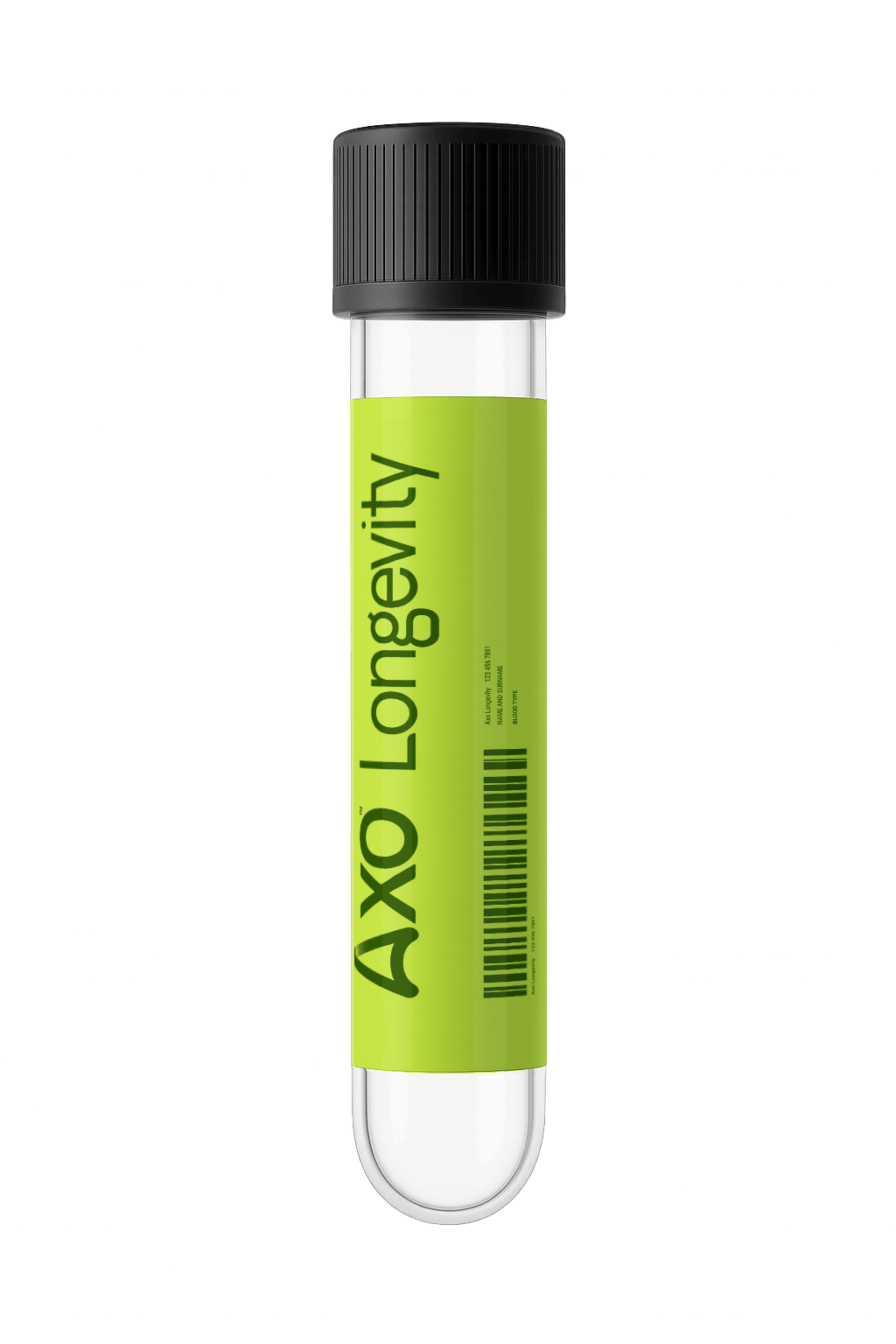
Glóbulos blancos (leucocitos) en orina
Un ciclo diseñado para un progreso constante
Cada revisión profundiza el panorama, sigue tu trayectoria y hace que la siguiente recomendación sea más inteligente que la anterior.
Si te encuentras en Países Bajos, consulta el paso adicional sobre el kit que recibirás antes de ir al laboratorio.
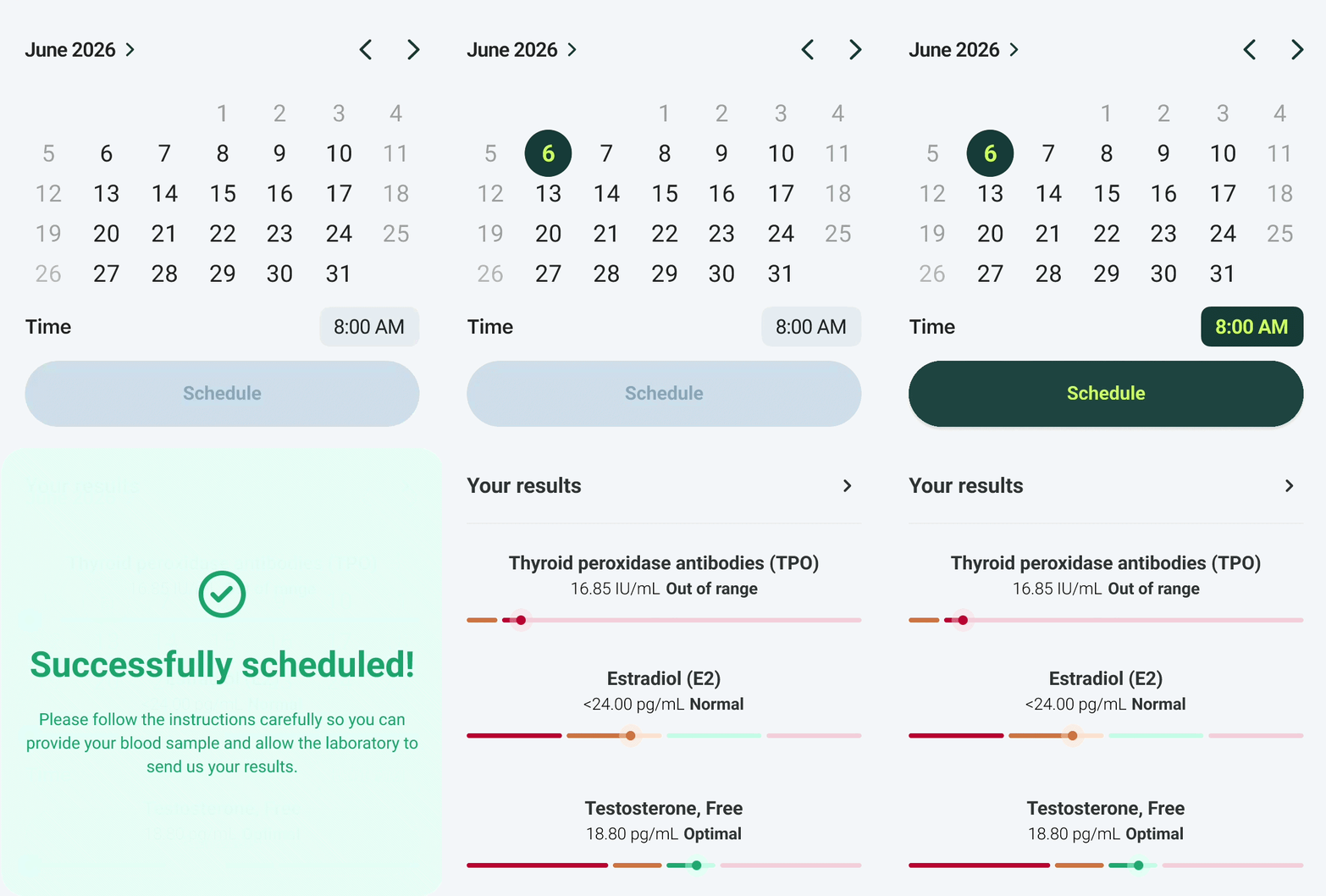
Elige entre más de 450 laboratorios asociados certificados en toda Europa. Nuestra primera extracción integral registra más de 100 biomarcadores esenciales, desde marcadores cardiovasculares y paneles metabólicos hasta perfiles hormonales y función inmunológica. Tú solo tienes que acudir; nosotros nos encargamos del resto.
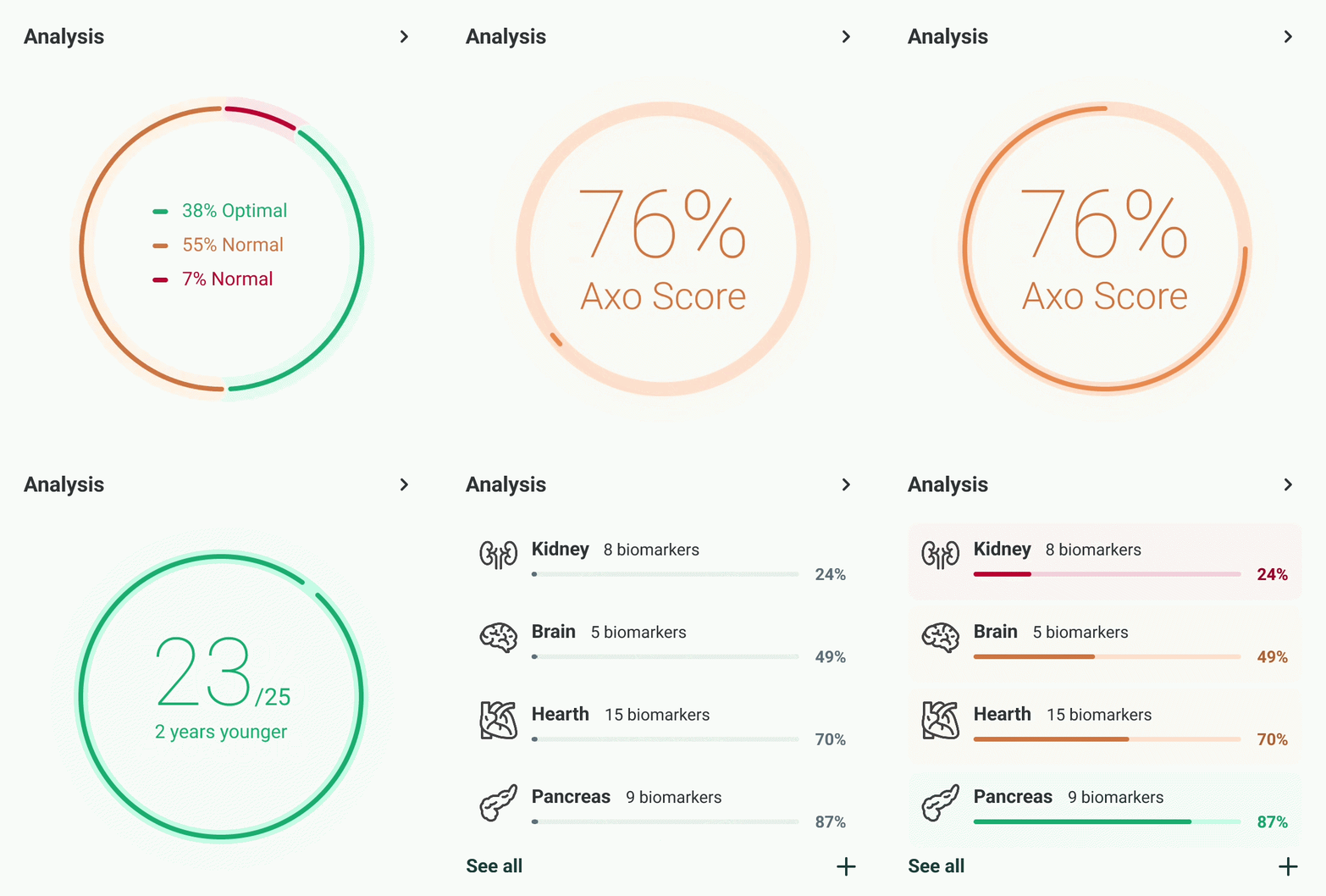
Nuestros expertos —no solo algoritmos— realizan un análisis corporal completo de los sistemas cardiovascular, hormonal, metabólico e inmunológico. Recibirás una puntuación de salud Axo, un cálculo de tu edad biológica y un desglose detallado de cada marcador: qué significa, por qué es importante y cuál es tu situación en relación con rangos óptimos reales, no solo con los rangos de referencia de laboratorio.
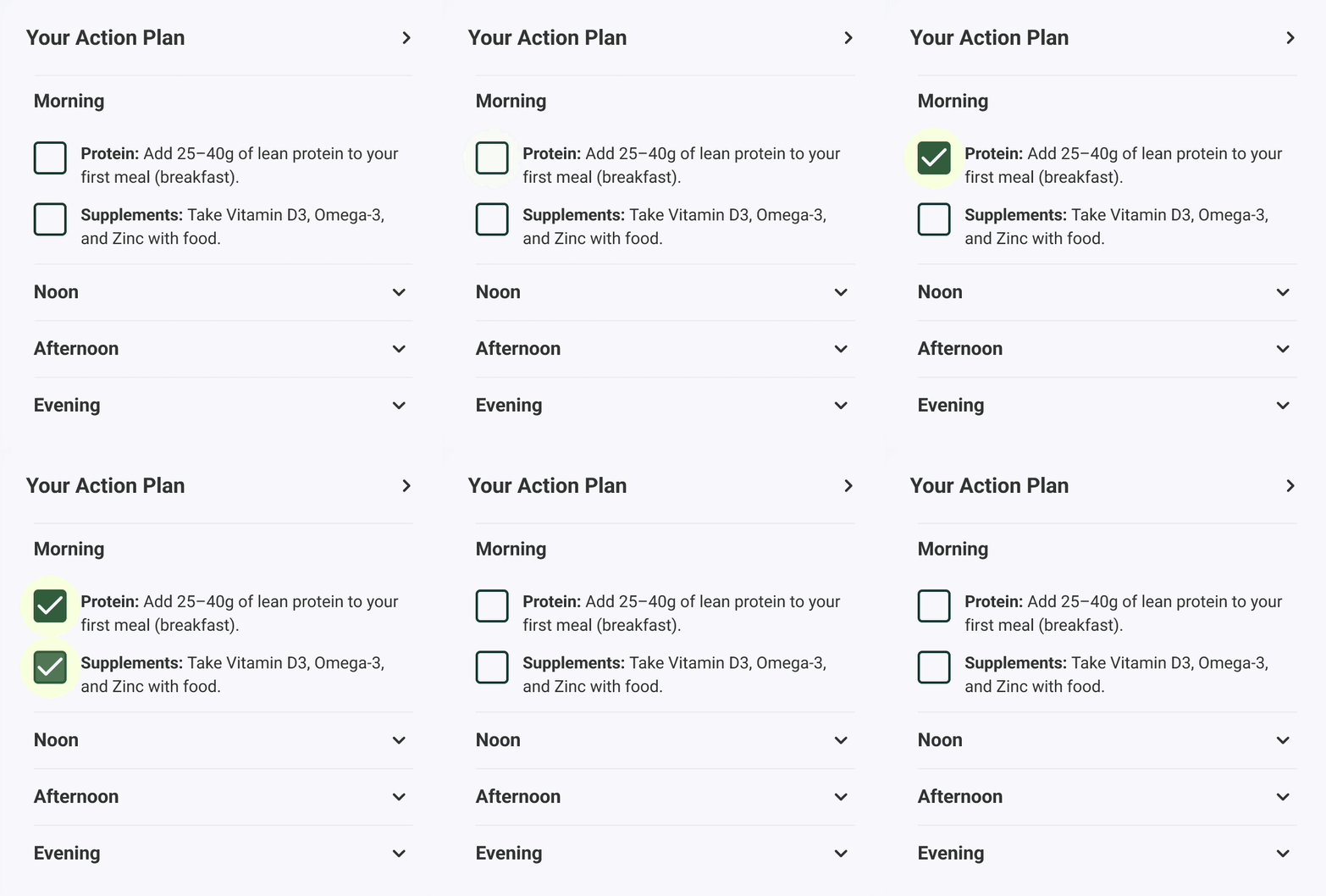
Tu plan de salud personalizado, creado bajo la metodología de ciencias del deporte del Dr. Niko Mihic y el Dr. Andy Walshe. Nada de consejos genéricos: intervenciones específicas, jerarquizadas y prácticas en nutrición, sueño, suplementación, ejercicio y estrés. Cada recomendación está vinculada directamente a tus marcadores y adaptada a tu estilo de vida.
A los 6 meses, un panel de seguimiento de biomarcadores específicos confirma si tus intervenciones están funcionando. Observa cómo mejora tu puntuación. Mira cómo tu edad biológica tiende a la baja. Entonces el ciclo comienza de nuevo: más profundo, más preciso y acumulando beneficios en cada paso.