







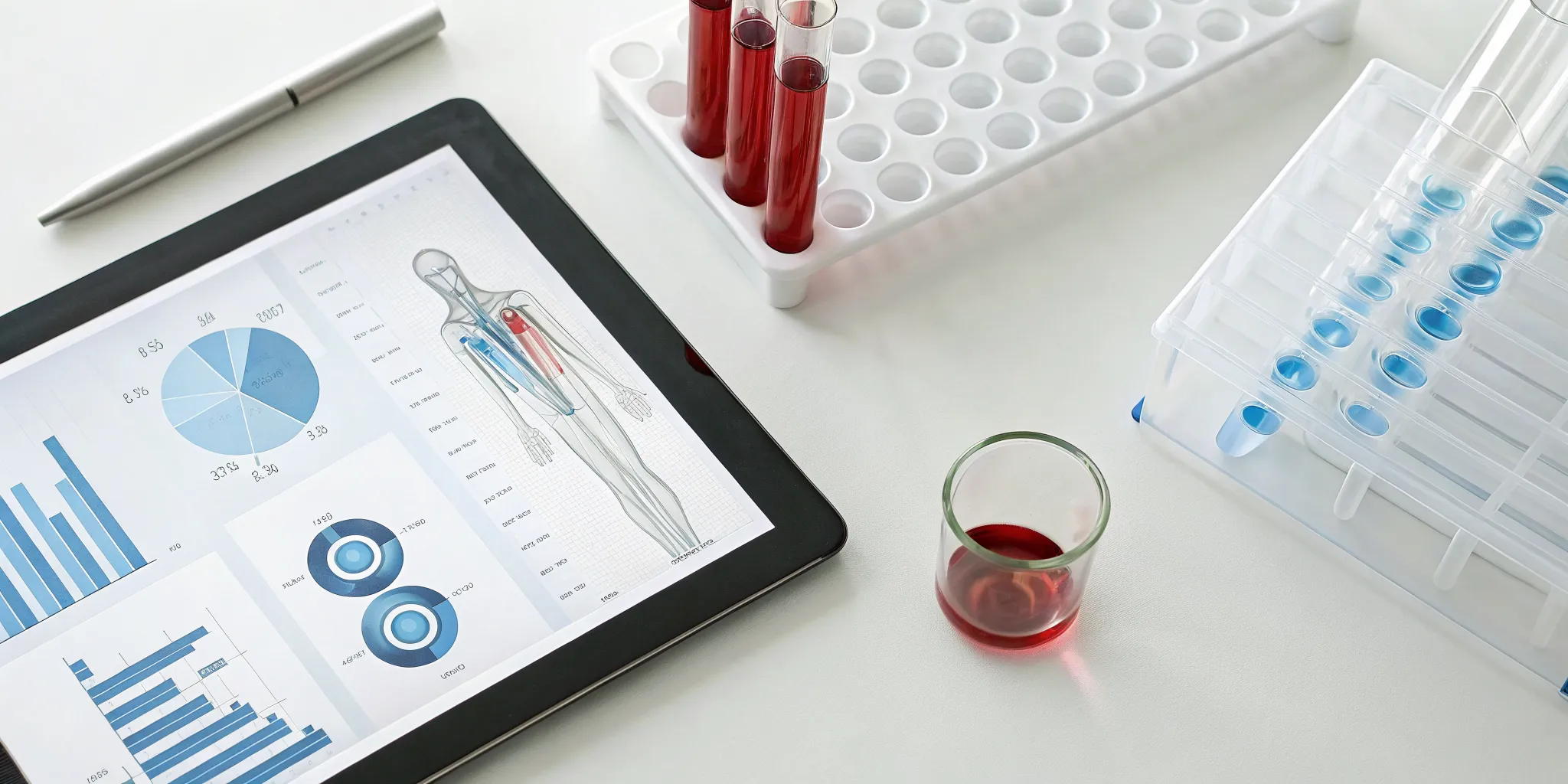
Performance Blood Panel: Your Data-Driven Health Plan
May 10, 2026
Most of us treat our health reactively. We wait for a symptom, an injury, or that feeling of burnout before we start looking for answers. But what if you could see problems developing before you could even feel them? Many performance plateaus and nagging injuries aren't just bad luck. They're often the result of a slow burn of inflammation, nutritional gaps, or hormonal imbalances. A Performance Blood Panel acts as your personal early warning system, giving you the objective data to shift from a reactive to a proactive approach and address these hidden stressors before they sideline you.
Key Takeaways
- Make smarter health decisions with personalized data: A performance blood panel provides objective insights into your unique biology, helping you fine-tune your nutrition, training, and recovery strategies for more effective results.
- Look beyond basic health metrics to prevent setbacks: A comprehensive panel analyzes crucial indicators for stress, inflammation, and hormonal health, not just vitamin levels, giving you the foresight to address imbalances before they impact your performance.
- Establish your personal baseline for sustained performance: A single test is a snapshot, but regular testing helps you understand your body's unique patterns, allowing you to make consistent, informed choices that support both your immediate goals and your long-term health.
What's Inside a Performance Blood Panel?
Think of a sports performance blood panel as a detailed look under the hood of your body, designed specifically for people who are active and want to perform at their best. While a standard blood test from your doctor screens for disease, a performance panel looks for opportunities to optimize your health. It provides a personalized snapshot of how your body is handling the demands of training, work, and life.
This kind of testing allows for a truly personalized approach to your health and fitness. Instead of following generic advice, you get a clear picture of what your unique body needs to thrive, whether you're training for a marathon or leading a team at work.
What Your Doctor's Test Doesn't Tell You
A standard check-up might tell you if you’re generally healthy, but it often misses the subtle imbalances that can impact your energy and recovery. A performance panel goes deeper, analyzing biomarkers critical for athletic output and cognitive function. For example, iron status is one of the most important markers for endurance, yet it’s often overlooked in routine tests unless you show signs of severe anemia.
Performance panels also check for things like low vitamin D, chronic inflammation, oxidative stress, and suboptimal hormone levels. These are issues that can leave you feeling fatigued and prone to injury, even if you’re not technically "sick." By looking at a comprehensive set of over 100 biomarkers, you can spot these hidden roadblocks before they slow you down.
Stop Guessing, Start Measuring Your Performance
One of the biggest advantages of a performance blood panel is that it replaces guesswork with objective data. How you feel is important, but it’s not always a reliable indicator of what’s happening inside your body. Blood tests provide clear, measurable information that helps you make smarter decisions about your health.
With this data, you can bring a new layer of precision to your nutrition, training, and recovery strategies. You’ll know exactly which supplements you need (and which you don’t) and how to adjust your diet to support your performance goals. This data-driven process is central to how we create personalized health plans that deliver real results, helping you build a stronger, more resilient body from the inside out.
How a Performance Blood Panel Can Transform Your Training
If you’ve ever felt like you’re following all the right advice but still not seeing the results you want, you’re not alone. Generic fitness and nutrition plans can only take you so far because they miss the most important factor: your unique biology. A sports performance blood panel cuts through the noise, giving you a direct look at what’s happening inside your body. It swaps guesswork for objective data, allowing you to make precise, effective changes to how you eat, train, and recover.
This isn't about finding a quick fix. It's about building a sustainable, long-term strategy for health and performance based on your body's real-time feedback. By regularly tracking key biomarkers, you can understand how your lifestyle choices directly impact your internal health. This information empowers you to build a truly personalized health plan that supports your goals, whether you're training for a marathon, leading a company, or simply want to feel your best every day. It’s a fundamental shift from reacting to problems to proactively optimizing your health.
Tailor Your Fuel and Fitness
A performance blood panel gives you the data to tailor your nutrition and training with incredible precision. Instead of following a one-size-fits-all diet, you can see exactly which nutrients your body needs more of and which it’s struggling to process. This insight helps you understand your unique fueling needs for peak performance. For example, discovering a borderline iron deficiency could explain lingering fatigue, prompting you to adjust your diet before it impacts your workouts. This level of personalization ensures that every meal you eat and every training session you complete is optimized to work for your body, not against it.
Prevent Burnout Before It Starts
Pushing your limits is key to progress, but there’s a fine line between productive stress and damaging overtraining. Unfortunately, it’s a line that’s easy to cross, and by the time you feel the symptoms of burnout, you may already be facing weeks of forced rest. A blood panel acts as your internal dashboard, providing early warnings that your body isn’t recovering properly. Markers for muscle damage, stress hormones, and inflammation can show signs of overtraining long before you feel them. This allows you to dial back your intensity or focus on recovery at the right time, helping you avoid overtraining and maintain consistent progress.
Spot Injury Risks Before They Happen
Many non-contact injuries aren't caused by a single event but by a slow burn of inflammation, nutritional deficiencies, and accumulated stress. A sports performance blood panel helps you spot these hidden risks before they sideline you. For instance, elevated inflammatory markers or low levels of key nutrients like Vitamin D can indicate that your body is vulnerable. By catching these imbalances early, you can make targeted interventions, like adjusting your diet or incorporating more recovery work. This proactive approach helps you address the root causes of potential injuries, maximizing your training outcomes and reducing time lost to setbacks.
Investigate the Root Cause of Symptoms
Feeling tired despite getting enough sleep, or hitting a plateau in your training that you just can't seem to push through? These vague but persistent issues are often signs of a deeper imbalance. A performance blood panel helps you investigate the root cause, moving beyond symptom management to find a real solution. Instead of just guessing that you need more rest or a different pre-workout, you can see objective data on what’s really going on. For instance, persistent fatigue might not be from your busy schedule but from a hidden iron deficiency or suboptimal thyroid function. By analyzing a comprehensive set of biomarkers, you can connect the dots between how you feel and what your body actually needs to perform its best.
Address Concerns for Female Athletes or Climate-Specific Training
This level of detail is especially important for female athletes or anyone training in demanding climates. For women, hormonal fluctuations throughout the menstrual cycle can significantly impact energy, recovery, and nutrient needs. A generic blood test often misses these nuances, but a detailed performance panel can help you create a strategy that adapts to your unique physiology. Similarly, if you train in a hot or humid environment, your body faces extra stress related to hydration and electrolyte balance. A blood panel can reveal how well you’re adapting, flagging issues like chronic dehydration or mineral depletion before they lead to cramps, fatigue, or heat-related illness. This data allows you to make precise adjustments, ensuring your body has exactly what it needs to thrive in any condition.
What Biomarkers Should Athletes Track?
A comprehensive blood panel gives you a detailed look under the hood, but a few key biomarkers are especially telling when it comes to athletic performance. Think of them as your body’s internal dashboard, providing real-time feedback on everything from your energy levels to your recovery status. By tracking these specific data points, you can move beyond generic health advice and start making targeted changes to your training, nutrition, and lifestyle that are based on your unique biology.
At Axo Longevity, our 100+ biomarker protocol was designed to provide this exact level of insight. We don't just look at markers in isolation; we analyze how they interact to paint a complete picture of your health. Understanding these key indicators helps you connect the dots between how you feel and what’s happening inside your body. This allows you to proactively address imbalances before they turn into bigger issues like fatigue, injury, or a performance plateau. It’s about shifting from a reactive approach to a proactive one, where you can fine-tune your body for sustained high performance in your sport and in your daily life. Let’s look at the main categories you should be watching.
Markers for All-Day Energy and Endurance
Feeling like you’re hitting a wall during your workouts? Your iron and B vitamin levels could be the culprit. Iron is absolutely essential for building red blood cells, which carry oxygen to your working muscles. For this reason, your iron status might be the single most important blood marker for endurance. When levels are low, your muscles don't get enough oxygen, leading to fatigue and a drop in performance. Similarly, B vitamins are powerhouses for energy metabolism, helping your body convert the food you eat into usable fuel. A deficiency here can leave you feeling drained, no matter how well you think you’re eating.
Gauging Your Stress and Recovery Levels
Training is a form of physical stress, and your body needs adequate time to recover and adapt. Biomarkers like cortisol and creatine kinase (CK) tell you how well you’re managing that stress. Cortisol, your primary stress hormone, can become chronically elevated from overtraining and life pressures, hindering recovery and muscle repair. Meanwhile, CK is a marker of muscle damage. While it’s normal for CK to rise after a tough workout, consistently high levels can be a red flag for inadequate recovery. Monitoring these indicators helps you find the sweet spot between pushing your limits and tipping over into overtraining.
Balancing Hormones for Better Performance
Your hormones are the chemical messengers that regulate everything from muscle growth to mood and energy. For anyone physically active, maintaining optimal hormonal health is non-negotiable. Testosterone, for example, plays a vital role in muscle repair and building strength in both men and women. A level that’s considered "low-normal" for a sedentary person might be the very thing holding back an athlete's recovery. DHEA, another key hormone, supports energy and cognitive function. Tracking these levels ensures your body’s foundational systems are primed to handle the demands of your training and support your performance goals.
Thyroid Function (TSH)
While testosterone and DHEA are major players, your thyroid is another hormonal powerhouse that quietly runs the show. Think of it as your body's master metabolic engine, regulating everything from your energy levels and body temperature to how efficiently you burn calories. When it's out of sync, you might feel it as persistent fatigue, unexplained weight changes, or a mental fog that no amount of training or diet changes can seem to fix. This is why a comprehensive performance panel looks closely at Thyroid Stimulating Hormone (TSH), giving you a clear view of whether this crucial system is supporting your efforts or silently holding you back.
TSH is a sensitive indicator that tells us how your thyroid is functioning. Even a subtle imbalance, one that might not be flagged on a standard test, can have a noticeable impact on your performance and recovery. For example, a slightly underactive thyroid can lead to hypothyroidism, a condition that slows your metabolism and can leave you feeling sluggish and unmotivated. Catching these slight shifts allows you to investigate the root cause of low energy or a training plateau. It ensures your body’s entire operating system is running smoothly and supporting your performance goals, not creating hidden roadblocks.
Fighting Inflammation and Supporting Immunity
You can’t perform your best if you’re constantly fighting off illness or dealing with nagging inflammation. Markers like C-reactive protein (CRP) give you a snapshot of systemic inflammation, which can slow down recovery. Key nutrients also play a huge role here. For instance, Vitamin D is crucial for a strong immune system, healthy bones, and muscle function, yet low levels are incredibly common. Likewise, your omega-3 fatty acid levels can indicate how well your diet is helping you manage inflammation and support muscle recovery. Keeping these markers in check helps you stay healthy, consistent, and ready for your next challenge.
Essential Minerals and Metabolic Markers
Beyond the big-picture indicators like hormones and inflammation, a truly comprehensive panel examines the foundational nuts and bolts of your physiology. These essential minerals and metabolic markers are the unsung heroes that govern your daily energy, muscle function, and even your mood. They are involved in thousands of tiny processes that, when optimized, add up to a significant performance advantage. Think of this as checking the quality of your fuel and the integrity of your engine's wiring. Without these basics in place, it’s difficult for the rest of your system to function at its peak.
Magnesium
Magnesium is a powerhouse mineral that’s crucial for muscle function and preventing cramps, but its job doesn’t stop there. It’s involved in energy production, DNA repair, and regulating your nervous system. If you’re feeling overly stressed, experiencing muscle twitches, or struggling with sleep, low magnesium could be a contributing factor. Since it’s used up more quickly under physical and mental stress, it’s a critical marker for active people to track.
Lipid Panel
Your lipid panel is a direct look at your cardiovascular health, measuring cholesterol and triglycerides in your blood. For executives and athletes, healthy circulation is non-negotiable. It ensures your muscles and brain get the oxygen and nutrients they need to perform under pressure. This test provides insight into how your diet, exercise, and genetics are influencing your heart health, allowing you to make adjustments that support both longevity and immediate performance.
Glucose and A1c
Stable energy is the key to a productive day, both in the gym and in the office. Your glucose and A1c levels show how effectively your body manages blood sugar. Unstable levels can lead to energy crashes, brain fog, and poor metabolic health in the long run. By monitoring these markers, you can fine-tune your nutrition to avoid performance-killing spikes and dips, ensuring you have the steady fuel you need to tackle your goals.
Folate and B Vitamins
Folate and B vitamins are essential co-pilots in your energy and oxygen-delivery systems. They are vital for making red blood cells and ensuring your nerves are firing correctly. A shortfall here can lead to fatigue and weakness that you might mistake for overtraining or poor sleep. Tracking these vitamins ensures that your body’s internal communication and transportation networks are running at full capacity, which is fundamental for both physical endurance and cognitive sharpness.
Electrolytes
Electrolytes are minerals like sodium and potassium that conduct electrical impulses throughout your body. They regulate everything from hydration to muscle contractions and nerve function. An imbalance can quickly lead to fatigue, weakness, and cramping, cutting a workout or a focused work session short. Monitoring your electrolyte levels helps ensure your body’s fundamental signaling system is properly tuned for optimal function.
Panels for Specific Dietary Approaches
Many of us follow specific dietary patterns—like vegan, ketogenic, or low-carb—to support our health goals. While these approaches can be powerful, they can also create nutritional blind spots. A vegan diet, for example, requires careful attention to B12 and iron, while a high-fat ketogenic diet can significantly impact your lipid profile. A generic blood panel might miss these nuances. This is why specialized testing is so valuable; it helps you verify that your chosen diet is truly working for your unique biology. It replaces dietary dogma with personal data, allowing you to make precise adjustments to cover any gaps and ensure your nutrition is fully aligned with your performance goals.
How to Turn Your Results into Action
Getting your blood panel results is the first step. The real magic happens when you translate that data into a concrete action plan. Your results provide a clear, objective roadmap for what your body needs to perform at its best. Instead of following generic advice, you can make targeted adjustments to your nutrition, training, and recovery routines based on your unique physiology. This is how you move from simply working hard to working smart, ensuring every effort you make contributes directly to your goals.
Pinpoint Your Exact Nutritional Gaps
Generic diet plans are often a shot in the dark. A sports performance blood panel removes the guesswork by showing you exactly what your body is missing. For instance, while one person might be low in vitamin D, another could need more iron to combat fatigue. These are insights you simply can’t get from tracking macros alone. By analyzing a wide range of biomarkers, you can pinpoint specific deficiencies or imbalances that might be holding you back. This allows you to create a highly personalized nutrition strategy, ensuring you’re fueling your body with the precise nutrients it needs to build strength, improve endurance, and function optimally.
Know When to Push Hard and When to Rest
Some days you feel ready to take on the world, and other days you feel completely drained. While listening to your body is important, biomarkers give you objective data to validate those feelings and prevent overtraining before it starts. Markers like cortisol and creatine kinase can reveal the true level of stress your training is putting on your body. If these levels are elevated, it’s a clear sign you need to prioritize rest. This data-driven approach to health management helps you fine-tune your training intensity, ensuring you’re pushing hard enough to make progress without tipping into burnout or injury.
Build a Smarter Recovery Plan
Recovery is just as important as the training itself, and your bloodwork can show you how to do it better. High levels of inflammatory markers, for example, might indicate that you need to incorporate more anti-inflammatory foods or recovery methods like foam rolling or contrast showers. Similarly, if your results show hormonal imbalances or nutrient depletion, you can adjust your post-workout meals or supplement routine to support faster repair. Using your blood panel results to guide your recovery turns it from a passive waiting game into an active, strategic process that gets you back to peak performance faster.
3 Myths About Performance Blood Panels, Busted
The world of performance optimization is full of information, and it can be tough to separate fact from fiction. When it comes to blood testing, several persistent myths might hold you back from gaining valuable insights into your health. Let's clear up a few of the most common misconceptions so you can make an informed decision about your health strategy.
Myth #1: It's Only for Pro Athletes
This is one of the biggest myths out there. You don't need to have a pro contract to benefit from understanding your body's inner workings. The truth is, if you are serious about your health and performance, this data is for you. Whether you're a competitive athlete, a dedicated recreational lifter, or someone training for a specific event, a detailed blood panel provides information that actually matters for performance. Think of it this way: if you invest time in training and nutrition, you deserve to know if your efforts are paying off on a cellular level. A comprehensive biomarker analysis gives you the objective data you need to train smarter, not just harder.
Myth #2: One Test Is All You Need
A single blood test is a snapshot in time, not the entire movie. While an initial test is fantastic for establishing your baseline, the real power comes from consistent monitoring. Your body is dynamic, changing in response to training, stress, nutrition, and sleep. Experts point out that combining profiling (your initial snapshot) and monitoring (regular check-ins) offers the best opportunity to gain insight into your nutritional and physiological status. This is why a systematic approach involving regular testing is so effective. It allows you to track trends, see how your body responds to changes, and make proactive adjustments before small issues become bigger problems.
Myth #3: It's Just About Vitamin Levels
While identifying nutrient gaps like low iron or vitamin D is a key benefit, a true performance panel goes much deeper. It provides a holistic view of your health, looking at everything from hormonal balance and inflammation levels to markers of stress and muscle recovery. This detailed information allows for another layer of personalization to your training, nutrition, and recovery plan to help support your performance goals. Instead of guessing why you feel fatigued or aren't recovering well, you can pinpoint the physiological cause. This comprehensive data helps you build a complete strategy that addresses energy, stress, and hormonal health, giving you a 360-degree view of your body.
What Blood Panels Can (and Can't) Tell You
A Piece of the Puzzle, Not the Whole Picture
It’s important to view a blood panel as a single, high-resolution snapshot of a specific moment. It provides an incredibly valuable baseline, showing you exactly where your body stands on that particular day. However, the real power doesn’t come from a single test but from consistent monitoring over time. Your body is constantly changing in response to your training, diet, stress, and sleep. By testing regularly, you can move beyond a static picture and start to see the whole movie. This allows you to track trends, understand how your lifestyle changes are impacting your biology, and make proactive adjustments to keep your health moving in the right direction.
Not a Substitute for Medical Diagnosis
A performance blood panel is a tool for optimization, not a replacement for a doctor. While it can uncover hidden imbalances that affect your energy and recovery, it’s not designed to diagnose acute medical conditions. As we explain in our FAQs, if you’re experiencing serious symptoms like chest pain or unexplained chronic pain, your first step should always be to consult your physician. The data from a performance panel is best used to have a more informed conversation with your doctor about your long-term health strategy. It gives you objective information to guide decisions, but it doesn’t replace a full medical examination.
Beyond Blood: A Look at Other Performance Tests
Blood analysis is a foundational part of understanding your internal health, but it’s not the only piece. To get a truly 360-degree view of your body’s capabilities, it’s helpful to pair biomarker data with other functional tests. These assessments measure how your body performs in the real world, providing context to the numbers in your blood report. Combining these data streams gives you a more complete and actionable picture, helping you connect your internal biology to your physical output. Here are a few key tests that complement a performance blood panel.
VO2 Max Testing for Cardiovascular Fitness
Often called the gold standard for endurance, a VO2 max test measures the maximum amount of oxygen your body can use during intense exercise. This number is a powerful indicator of your overall cardiovascular fitness and aerobic potential. A higher VO2 max means your heart, lungs, and muscles are working efficiently to deliver and use oxygen, which is critical for sustained performance. Tracking your VO2 max over time is a great way to see if your cardio training is effective and to set new benchmarks for your endurance goals.
DEXA Scans for Body Composition
The number on the scale only tells part of the story. A DEXA (Dual-Energy X-ray Absorptiometry) scan provides a detailed and accurate breakdown of your body composition, separating your weight into lean muscle mass, fat mass, and bone density. This is valuable because it helps you track the quality of your weight changes, not just the quantity. For example, you might be gaining muscle and losing fat simultaneously, with little change on the scale. A DEXA scan reveals that progress, giving you a much clearer picture of your health and fitness than BMI or weight alone.
Resting Metabolic Rate (RMR) for Caloric Needs
Ever wondered how many calories your body actually needs? An RMR test can tell you. It measures the exact number of calories your body burns at rest, providing a precise baseline for your daily energy expenditure. This information is the cornerstone of a personalized nutrition plan. Instead of relying on generic online calculators, which can be inaccurate, knowing your RMR allows you to tailor your caloric intake to your specific goals, whether that’s losing fat, building muscle, or fueling for a competition. It removes the guesswork from nutrition planning.
Is a Performance Blood Panel Right for You?
You might think that detailed blood analysis is reserved for elite athletes or biohackers. But the truth is, anyone who wants to move beyond generic health advice and understand what their body truly needs can benefit from a performance blood panel. It’s about swapping guesswork for objective data to build a truly personalized health strategy.
Whether you’re training for a marathon, leading a fast-paced career, or simply want to feel vibrant and healthy for decades to come, your goals are unique. A standard check-up gives you a basic snapshot, but a performance panel provides the granular detail needed to fine-tune your nutrition, training, and recovery. It helps you answer specific questions: Am I recovering effectively? Are hidden deficiencies holding me back? What changes can I make to improve my energy and focus?
This level of insight is for anyone ready to take a proactive role in their health. It’s for the person who understands that peak performance, whether in sports, work, or life, starts from within. If you’re looking for a clear, data-driven path to feeling and performing your best, a performance blood panel is a powerful tool to have in your corner. It provides the information you need to build a foundation for both immediate gains and long-term vitality.
For the Competitive Athlete
If you’re an athlete, you know that progress is measured in seconds and inches. A performance blood panel can give you the competitive edge you’re looking for. By analyzing key biomarkers, you can get specific insights into your fueling and training needs, allowing you to make targeted adjustments that lead to real results. For example, monitoring your iron status can be a game-changer for endurance, as low levels can cause fatigue and hurt performance. This data helps you personalize your nutrition and supplementation, ensuring your body has exactly what it needs to train harder, recover faster, and perform at its peak when it counts.
For High-Performers In and Out of the Gym
You don’t need to be a professional athlete to demand peak performance from your body. For busy executives and dedicated fitness enthusiasts, managing energy and maintaining mental clarity is crucial. A performance blood panel offers a proactive way to support your demanding lifestyle. It helps you identify areas for improvement before they become problems, preventing burnout and keeping you at the top of your game. By understanding your body’s unique needs, you can personalize your approach to nutrition and exercise, building resilience that translates directly from the gym to the boardroom. It’s about investing in your health to sustain high performance in every aspect of your life.
For Those Playing the Long Game
Ultimately, a performance blood panel is for anyone who is serious about their long-term health. You don’t need to be chasing a finish line to want to feel your best every day. Regular, in-depth testing gives you a comprehensive view of your health, empowering you to make informed decisions that support vitality and prevent future issues. By tracking a wide range of biomarkers, you can understand your body’s unique patterns and address subtle imbalances before they escalate. This proactive approach is the foundation of longevity, helping you build a strategic plan to not just live longer, but to live better and healthier for years to come.
How to Prepare for Your Performance Blood Panel
To get the most accurate and useful insights from your blood panel, a little preparation goes a long way. Think of it like this: you wouldn't measure your resting heart rate right after a sprint. Similarly, you want to give your body a calm, stable baseline before a blood draw. This ensures the results reflect your true underlying health, not just what you ate for breakfast or how hard you trained yesterday.
Consistency is the key to tracking your progress over time. By preparing the same way for each test, you create reliable data points that show real changes in your body’s function. This allows you and your health team to make meaningful adjustments to your plan. Following a few simple guidelines helps eliminate variables that can skew your results, giving you a clear picture of your body’s inner workings. The entire Axo Longevity process is designed to turn these precise data points into an actionable strategy for your long-term health and performance.
When to Schedule Your Blood Draw
Timing your blood test correctly within your training schedule is crucial. An intense workout can cause short-term inflammation and muscle damage, which can temporarily alter key biomarkers like creatine kinase and C-reactive protein. Testing right after a heavy session will show the effects of that stress, not your baseline state of recovery.
To get a true snapshot of your physiological health, schedule your blood draw for a rest day or after a period of light activity. This helps you and your health advisor distinguish between the normal stress of training and potential signs of overtraining. By timing your test thoughtfully, you can better monitor your body’s adaptation to your routine and prevent burnout before it starts.
What to Do (and Not Do) Before Your Test
For the most accurate results, it’s standard to fast for 12 hours before your blood draw. This means nothing to eat or drink except for water. Food and sugary drinks can cause temporary spikes in glucose and triglycerides, which would give a misleading picture of your metabolic health. While you should avoid coffee and tea, drinking plenty of water is important. Good hydration makes for an easier blood draw by helping your veins be more accessible.
It’s also wise to pause certain supplements for a day or two before your test, as some can interfere with results. For example, high doses of biotin (Vitamin B7) can affect hormone tests. Always follow the specific instructions provided before your appointment to ensure the biomarkers we test are measured accurately.
Time Your Test Around Hard Workouts
To get a true snapshot of your physiological health, schedule your blood draw for a rest day or after a period of light activity. An intense workout causes short-term inflammation and muscle damage, which can temporarily alter key biomarkers like creatine kinase and C-reactive protein. Testing right after a heavy session will show the effects of that acute stress, not your baseline state of recovery. By timing your test thoughtfully, you can better monitor your body’s adaptation to your training load and distinguish between the normal stress of a workout and potential signs of overtraining.
Hold Off on Biotin Supplements
It’s also wise to pause certain supplements for a day or two before your test, as some can interfere with results. High doses of biotin (Vitamin B7), a common ingredient in hair, skin, and nail supplements, are particularly known to affect hormone tests and other important markers. This interference can lead to incorrect results, potentially masking a real issue or suggesting a problem that isn’t there. To ensure your results are as accurate as possible, it’s best to hold off on biotin and check if any of your other supplements should be paused as well. Always follow the specific instructions provided before your appointment.
What Do Your Results Actually Mean?
Getting your blood panel results back is the first step, but the real value comes from knowing how to interpret them. It’s not as simple as scanning for values marked "high" or "low." Your results tell a detailed story about your body's response to training, nutrition, and stress. Understanding this story is key to making targeted improvements that actually move the needle on your performance and long-term health. Let's break down how to read your results like a pro.
Why "Normal" Isn't Always "Optimal"
One of the biggest mistakes you can make is judging your results against the standard "normal" ranges on a lab report. These ranges are based on the general population, which includes a wide spectrum of ages, health statuses, and activity levels. For someone who is active and performance-focused, what’s considered "normal" for the average person might actually be suboptimal. Your body has different demands. Instead, it's crucial to compare your biomarkers against ranges specific to athletes to get a more accurate picture of your health. This context is everything when you’re aiming for peak performance, not just the absence of disease.
Track Your Trends Over Time
The most powerful way to use blood testing is to track your results over time. A single test provides a snapshot, but consistent testing helps you establish your unique personal baseline. This baseline shows what’s normal for your body and how it responds to different training cycles, dietary changes, and life stressors. When you have this data, you can spot subtle shifts before they become problems. For example, you might notice your inflammation markers creeping up after a period of intense work and training, signaling that you need to prioritize recovery. This approach moves you from guessing based on how you feel to making informed decisions with objective data.
Creating Your Personal Action Plan
Data is only useful if you act on it. The ultimate goal of a performance blood panel is to translate your results into a concrete, actionable health plan. Your biomarker data provides the precise information needed to fine-tune your nutrition, adjust your training intensity, and dial in your recovery strategies. Low ferritin might point to a need for more iron-rich foods, while elevated creatine kinase could mean you need to scale back your workouts. This is where a personalized plan becomes invaluable, turning complex lab numbers into simple, daily actions that support your performance and longevity goals.
Where to Get Your Performance Blood Panel
Once you’re ready to get your blood tested, you’ll find a few different types of services available. The key is to choose a provider that doesn’t just give you raw data but helps you understand what it means for your specific goals. Some services offer direct-to-consumer tests you can order online, while others provide a more comprehensive, guided experience. Think about whether you want a simple snapshot or a long-term partner in your health journey. Your choice will shape how you use your results to build a smarter training, nutrition, and recovery strategy.
Axo Longevity
Our approach at Axo Longevity is designed for those who want a complete picture of their health, connecting daily performance with long-term vitality. We analyze over 100 biomarkers to provide unparalleled insights into your cardiovascular, hormonal, metabolic, and immune systems. This isn't just a one-off test; it's the foundation of a personalized health plan. We go beyond standard ranges to help you establish your optimal performance baseline, then work with you to create an actionable strategy. This comprehensive analysis is ideal for high-performing executives and dedicated athletes who understand that peak performance and longevity are two sides of the same coin. You can learn more about what we test and how our system works.
Comparing Other Testing Options
If you’re looking for different options, several other companies specialize in athletic testing. Services like Quest Diagnostics offer a variety of fitness-focused blood tests that you can conveniently purchase online. These are designed to help athletes refine their training and nutrition. Another specialized service is Athlete Blood Test, which offers panels tailored specifically to the needs of athletes looking to improve their nutrition, recovery, and overall performance. These services can be a good starting point if you have a very specific area you want to investigate or prefer a more self-directed approach to analyzing your results.
The Direct-to-Consumer Process
Getting a performance blood panel is more straightforward than ever, thanks to direct-to-consumer services. You no longer need a doctor's referral to get started. The process is simple: you typically begin by purchasing a test online from a provider. The company then arranges for a physician to review and approve your order, after which you’ll be directed to a local partner lab for a quick blood draw. This streamlined approach removes the traditional barriers, putting you in the driver's seat of your health and allowing you to take a proactive role in your performance journey without the long waits.
What to Expect: Costs, Speed, and Support
The investment in a performance blood panel can vary widely, with some basic tests costing as little as $49, while more comprehensive panels can be over $500. One of the biggest advantages is the speed; you can often expect to receive your results online within 24 to 48 hours. However, the most critical component is the support you receive afterward. Raw data is just numbers on a page. The best services provide access to health professionals who can help you interpret the findings and create an actionable plan. This guidance is essential for turning your results into meaningful changes, which is why our process focuses on a comprehensive analysis followed by a personalized strategy.
Related Articles
- Best Blood Test for Athletes in Europe
- Electrolyte Panel Test Guide
- 100+ Biomarker Panel: What Does It Cost?
- Protein Levels in Blood: What They Mean for Your Health
Frequently Asked Questions
How is a sports performance panel different from the annual blood test my doctor orders? Think of it this way: a standard blood test from your doctor is designed to screen for disease. It’s looking for red flags to see if something is medically wrong. A sports performance panel is designed to optimize your health. It looks for subtle imbalances and opportunities to improve your energy, recovery, and overall performance, even when you’re already feeling healthy.
I'm a busy professional who works out regularly, not a pro athlete. Is this type of testing really for me? Absolutely. This testing is for anyone who wants to perform at their best, whether that's in the gym, the boardroom, or both. If you're investing time and energy into your health and fitness, this data helps ensure you're getting the best return on that effort by tailoring your strategy to your unique biology instead of following generic advice.
How often should I get tested? Is one panel enough? A single test is a great starting point to establish your personal baseline and see what’s happening inside your body right now. However, the real value comes from re-testing every six months or so. This allows you to track trends over time, see how your body responds to changes in your training and lifestyle, and make proactive adjustments before small issues become larger problems.
What happens if my results fall within the "normal" range? Does that mean everything is optimal? Not necessarily. The "normal" ranges on a standard lab report are based on the general population, which includes people of all activity levels and health statuses. For someone focused on performance, your optimal range for a specific biomarker might be much narrower. A result that's considered "low-normal" for an average person could be the very thing limiting your energy or slowing your recovery.
I have my results. Now what? Your results are your personal roadmap. The next step is to translate that data into a clear action plan. This involves identifying specific nutritional needs, adjusting your training load based on recovery markers, and fine-tuning your recovery protocols. It’s about using objective information to make smarter, more effective decisions that support your health and performance goals.
2 ways to get started
It's the best fit if you want an affordable entry point to understand your health baseline.
50+ biomarkers (one round)
Basic biomarker analysis
Biological Age and Axo Longevity Health Score
Cancel anytime
approx.
It's the best fit if you want to track trends over time rather than just see a single moment.
100+ biomarkers annually (two rounds)
Sports science protocols
Personalised health blueprint
Continuous tracking
Biological Age and Axo Longevity Health Score
Cancel anytime
approx.
150+ biomarkers annually (two rounds)
Exclusive 1:1 longevity session with Dr. Niko Mihic or Andy Walshe PhD
GlycanAge testing
Comprehensive genome testing
Annual founding member event
approx.