







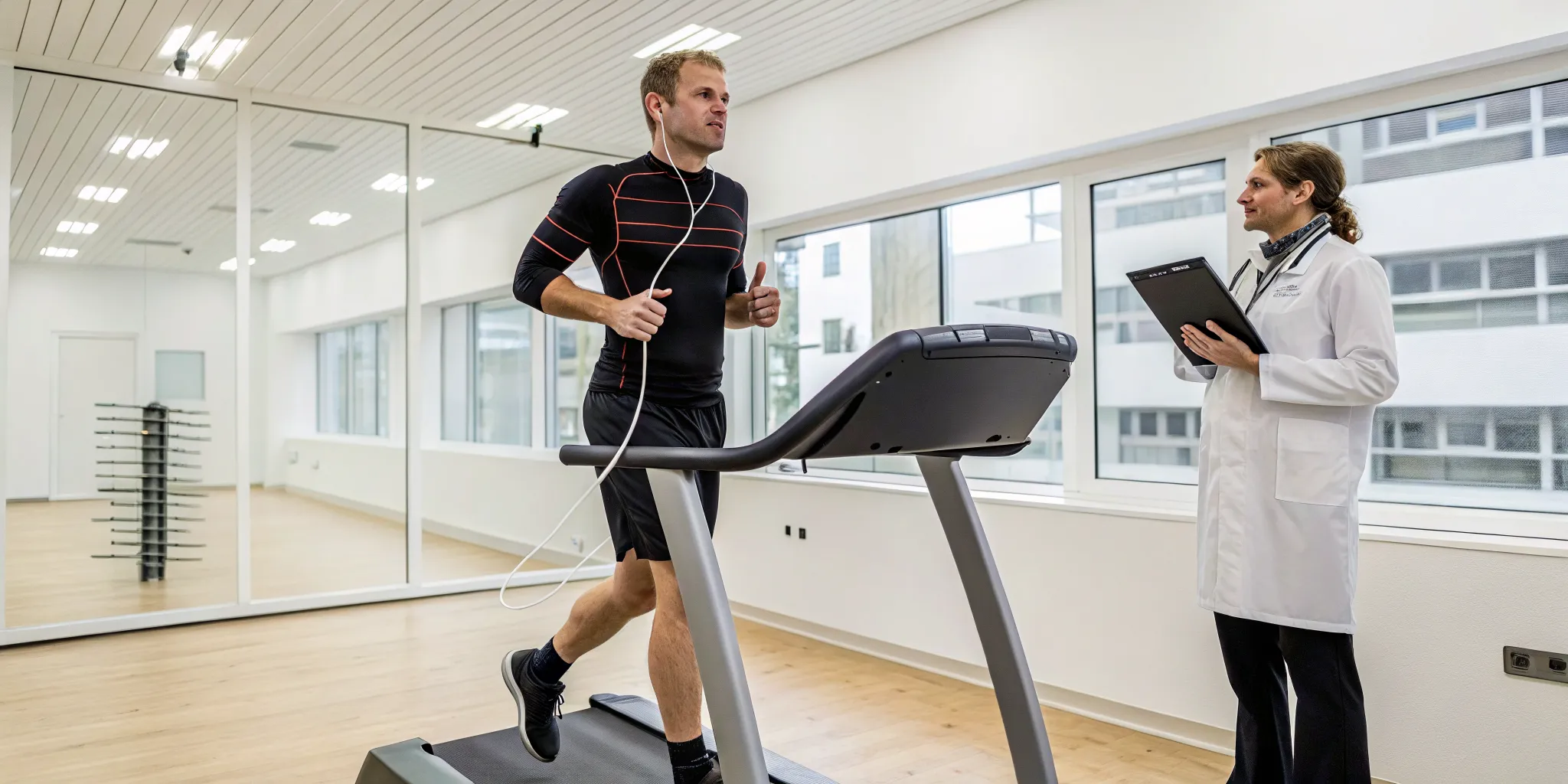
Cardiovascular Screening for Athletes: What to Expect
May 8, 2026
You wouldn't build a training plan on a hunch. You use data for everything—from your nutrition to your recovery. So why guess when it comes to your heart? As an athlete, your heart is your most valuable asset, the engine powering every personal best. But it often goes unmonitored. Cardiovascular screening for athletes changes that. It’s not just a check-up; it’s the ultimate data-gathering tool for your health. This screening gives you objective insights, empowering you to train safely, build long-term resilience, and perform with complete confidence.
Key Takeaways
- Protect your performance foundation: Think of cardiovascular screening as essential maintenance for your body's engine. It identifies hidden structural, electrical, and inherited heart conditions, giving you the data to train safely and build a sustainable athletic career.
- A basic check may not be enough: A complete screening should include more than just a physical exam and health history. Adding an ECG provides a much clearer picture of your heart's function, helping to catch risks that might otherwise be missed.
- Use data to take control of your health: Early detection gives you the power to act. It allows you to create a personalized management plan, adjust your training for safety, and make confident decisions. Advanced tools like biomarker testing offer even deeper insights for a truly proactive health strategy.
What Is Cardiovascular Screening for Athletes?
If you’re serious about your physical performance, you probably track your macros, optimize your sleep, and follow a structured training plan. But what about the engine that powers it all? Cardiovascular screening is a proactive health check designed to find underlying heart conditions that could pose a risk during intense physical activity. Think of it as a detailed look under the hood, ensuring your heart is as strong and prepared as the rest of your body.
For athletes and high-performers, the demands placed on the cardiovascular system are immense. Regular, strenuous exercise can sometimes expose or worsen pre-existing, silent heart issues. Screening helps identify these problems before they become serious, giving you the information you need to train safely and effectively. It’s not just about preventing a worst-case scenario; it’s about building a complete picture of your health so you can pursue your goals with confidence for years to come. This process involves a combination of reviewing your health history, a physical exam, and sometimes, more advanced tests to ensure your heart is ready for the challenge.
Protecting Athletes from Sudden Cardiac Death
The most critical goal of pre-participation cardiovascular screening is to identify heart conditions that could lead to sudden cardiac death (SCD) during exercise. While SCD in athletes is rare, its consequences are devastating. The intense physical stress of competition or training can trigger a fatal event if an underlying, undiagnosed heart problem exists.
Many of these conditions don't present obvious symptoms in daily life. The leading cause of SCD in young athletes, for example, is hypertrophic cardiomyopathy (HCM), a disease where the heart muscle becomes abnormally thick. Without proper screening, conditions like HCM can go completely undetected. By looking for these hidden risks, screening provides a vital safety net for anyone pushing their physical limits.
How Common Is Sudden Cardiac Arrest in Athletes?
While it's a rare event, sudden cardiac arrest is the leading cause of death in young athletes. In the United States, for example, it’s estimated that around 2,000 people under the age of 25 die from SCA each year. These statistics aren't meant to cause alarm, but to highlight a crucial blind spot. For driven individuals who optimize every other aspect of their performance, overlooking this small but catastrophic risk doesn't make sense. The goal of screening isn't to stop you from training; it's to give you the data to do it with complete confidence, knowing your heart is fully prepared for the demands you place on it.
Primary Causes of SCA in Young vs. Older Athletes
The reasons behind SCA often change as we get older, which is why a one-size-fits-all approach to heart health doesn't work. For athletes under 35, the primary culprits are often genetic or structural. The most common is hypertrophic cardiomyopathy (HCM), a condition where the heart muscle thickens abnormally. Once you cross the 35-year-old mark, the picture shifts. For this group, the leading cause is typically atherosclerotic coronary artery disease—the buildup of plaque that blocks arteries. This is the same condition that causes heart attacks in the general population, but the intense stress of athletic activity can trigger an event. This shift underscores why your health strategy needs to evolve with you, using data to identify exactly what to look for at each stage.
How Heart Health Fuels Your Performance
Beyond immediate safety, cardiovascular screening is a powerful tool for optimizing your long-term health and athletic performance. Catching potential issues early allows for timely and effective interventions. These might include specific lifestyle adjustments, personalized training modifications, or medication, all tailored to your unique physiology. This proactive approach helps you manage your health without sidelining your ambitions.
This process also gives you a deeper understanding of your body's unique needs, which is the foundation of a sustainable performance plan. The insights from a comprehensive screening can even benefit your family, as many heart conditions are inherited. Identifying a genetic predisposition allows relatives to get checked, too. It’s about creating a complete health strategy based on what your body truly needs, which is why we analyze a wide range of cardiovascular biomarkers.
What Does a Complete Heart Screening Include?
A complete heart screening isn't a single test but a multi-step process designed to give a clear picture of your cardiovascular health. Think of it as building a case file on your heart, starting with the basics and getting more detailed as needed. The goal is to catch any potential red flags before they become serious problems on or off the field. All major medical and sports organizations agree that this process is the essential first step for any competitive athlete. It starts with a simple conversation and a physical check, which together guide whether more advanced tests are necessary for your specific situation.
Reviewing Your Personal & Family Health History
The first and most critical step is a detailed conversation about your health. Your doctor will ask about your personal medical history, looking for symptoms like chest pain during exercise, unexplained fainting, or unusual shortness of breath. They will also ask about your family's health history, specifically focusing on whether any close relatives had heart disease or experienced sudden death before the age of 50. This conversation provides crucial context. A thorough understanding of your background is the foundation of a personalized health plan and helps identify potential genetic risks that might not show up in a standard physical exam.
What to Expect During the Physical Exam
Next comes the physical exam. This is a hands-on check to find physical markers of potential heart conditions. A doctor will listen for heart murmurs, check your blood pressure, and look for the physical signs of conditions like Marfan's syndrome, which can affect the heart. In the US, many doctors use a checklist recommended by the American Heart Association to ensure the exam is thorough and consistent. This step is designed to catch obvious structural issues or irregularities that warrant a closer look, acting as a practical filter before moving on to more complex diagnostics.
The Limitations of a Standard Physical Exam
While a standard physical is an important first step, it can give a false sense of security, especially for dedicated athletes. These exams are designed to catch general health issues, not the specific, subtle heart conditions that can become dangerous during intense exertion. The reality is, traditional pre-participation screenings often miss the mark. Research shows that these standard checks only identify about 45% of significant heart problems. This means more than half of all underlying risks can go completely unnoticed, leaving you vulnerable when you’re pushing your body to its limits.
The main reason for this gap is that a standard physical doesn't routinely include advanced tools like an electrocardiogram (ECG), which gives a much clearer picture of your heart's electrical function. Without this data, serious conditions like hypertrophic cardiomyopathy (HCM)—the leading cause of sudden cardiac death in young athletes—can remain hidden because they often don't have obvious physical symptoms. This is why a one-time check isn't enough. A more comprehensive approach to cardiac screening is necessary to get the full story, ensuring you can train and compete with confidence.
When Are More Advanced Tests Necessary?
If your health history or physical exam raises any concerns, your doctor will recommend further testing. This isn't a cause for immediate alarm; it just means more information is needed. Common next steps include an electrocardiogram (ECG), which measures the heart's electrical activity, or an echocardiogram, which is an ultrasound of the heart. These tests can detect arrhythmias or structural problems that aren't apparent in a basic exam. For a truly proactive approach, comprehensive biomarker testing can offer even deeper insights into your cardiovascular function, helping you optimize performance and protect your long-term health.
What Heart Conditions Can Screening Find?
Cardiovascular screening is designed to find hidden issues before they become emergencies. Think of it as a detailed look under the hood of your body’s most important engine. These tests can identify problems in three main categories: the heart's physical structure, its electrical system, and its genetic predispositions. By catching these conditions early, you can create a plan to manage them effectively, allowing you to continue pursuing your performance goals with confidence and a clear understanding of your health. A comprehensive screening gives you the data you need to train smarter and protect your long-term well-being.
Identifying Structural Heart Problems
Some of the most serious risks come from conditions affecting the heart's physical shape and size. The most well-known of these is hypertrophic cardiomyopathy (HCM), a condition where the heart muscle becomes abnormally thick. This can make it harder for the heart to pump blood and is a leading cause of sudden cardiac death in young athletes. An echocardiogram, which uses ultrasound to create a moving picture of your heart, is the key tool for spotting structural issues like HCM. It allows doctors to see the heart’s chambers and walls in detail, ensuring everything is functioning as it should be.
Detecting Irregular Heart Rhythms
Not all heart conditions are visible in its structure. Some are electrical, affecting your heart's rhythm. These issues can be just as dangerous but often go unnoticed without specific testing. An electrocardiogram (ECG) is used to record the heart's electrical signals, and it can detect problems like Long QT syndrome, an inherited rhythm disorder. While a physical exam might not catch these irregularities, adding an ECG to a screening can identify around 60% of the underlying conditions linked to sudden cardiac death. It provides a crucial layer of insight into your heart’s fundamental operations.
Screening for Inherited Heart Conditions
Your family’s health history offers important clues about your own cardiovascular risk. Many heart conditions are genetic, meaning they can be passed down through generations. Identifying an inherited heart condition in one person is a critical first step, as it allows other family members to get screened, too. This knowledge can be life-saving for your parents, siblings, or children. That’s why a thorough screening always includes a deep dive into your family history, paying close attention to any relatives who experienced heart problems or passed away suddenly before the age of 50.
Should Athletes Get an ECG?
When it comes to heart screenings for athletes, you’ll find that not everyone is on the same page. The biggest point of debate centers on one specific test: the electrocardiogram, or ECG. An ECG records the electrical signals in your heart, offering a much deeper look at its function than a simple physical exam. It can spot subtle abnormalities that might otherwise go unnoticed.
The question of whether this test should be a routine part of every athlete's screening has led to two very different schools of thought, largely split between the United States and Europe. Understanding both sides can help you make a more informed decision about your own health. While a basic screening is a great start, the inclusion of an ECG can provide a more complete picture of your cardiovascular health, which is crucial when you’re pushing your body to its limits. Let's look at how these two approaches compare and why they exist.
Why the U.S. Takes a Conservative Approach to ECGs
In the United States, the standard protocol is more reserved. The American Heart Association (AHA) currently recommends a 14-point checklist covering personal and family medical history, along with a physical exam. Routine ECGs are not part of this standard recommendation for all young athletes. The primary concern with this approach is its sensitivity. Research has shown that this screening method of using only a history and physical exam can miss the majority of serious heart conditions that could put an athlete at risk for sudden cardiac death. It’s a baseline check, but it may not be thorough enough to catch underlying electrical or structural issues.
Improving ECG Accuracy with Modern Criteria
A major reason for the cautious approach to ECGs has been the risk of “false positives”—when a test suggests a problem that isn't actually there. This can lead to unnecessary stress and further testing. However, the field has advanced significantly. Newer guidelines, like the “International Criteria,” have been developed specifically for athletes, whose hearts often show normal adaptations to training that might look unusual on a standard ECG. These updated criteria have dramatically improved accuracy, lowering false positive rates while maintaining a high sensitivity for detecting real issues. In fact, modern ECG-based screening can identify up to 94% of athletes with hidden heart disease, making it a far more reliable tool than ever before for getting a clear picture of your heart's health.
The European Model: Why ECGs Are Mandatory
Across the Atlantic, the approach is much more proactive. Many European countries, including Italy, and major international sports organizations like FIFA, recommend or even mandate routine ECGs for athletes. This standard is based on compelling evidence from years of practice. Studies have shown that adding a 12-lead ECG to the screening process can significantly reduce the incidence of sudden cardiac death among athletes. By making the ECG a standard part of the evaluation, doctors are better equipped to identify hidden electrical abnormalities that a physical exam alone would never detect, allowing for earlier intervention and safer participation in sports.
The Impact of Mandatory Screening in Italy
If you need real-world proof that this proactive approach works, Italy offers the most compelling case. For decades, the country has required all competitive athletes to undergo a pre-participation screening that includes a physical exam, a detailed health history, and a 12-lead ECG. The results are remarkable. Over a 26-year period, this mandatory program led to a 90% reduction in the rate of sudden cardiac death among athletes. This success story is a powerful argument for the European model, showing that adding an ECG isn't just about gathering more data—it's a proven strategy to prevent catastrophic events and safeguard an athlete's long-term health.
Why Are the Approaches So Different?
The primary reason for this divide comes down to logistics and cost. In a large country like the United States, the financial and structural challenge of performing an ECG on every single young athlete is a major barrier. This has sparked a long-standing debate about cost-effectiveness. Public health officials weigh the high cost of widespread screening against the relatively rare occurrence of sudden cardiac death. While every life is valuable, the debate centers on whether the investment in universal ECGs is justified by the number of conditions it would detect. This difference in philosophy shapes the screening guidelines you'll encounter depending on where you live and compete.
Global Recommendations from Sports Organizations
It’s not just a geographical divide; many of the world's leading sports organizations also champion a more thorough approach to heart health. Bodies like FIFA and the International Olympic Committee (IOC) recommend that athletes undergo an ECG as part of their pre-participation screening. They point to compelling evidence, like the program in Italy, where mandatory screening that includes an ECG slashed the rate of sudden cardiac death in athletes by a staggering 90% over 26 years. This proactive stance reflects a simple truth: for those performing at the highest level, a baseline check isn't enough. Adopting the screening standards used by elite sports bodies gives you the most complete data to protect your health and train with total peace of mind.
Why Cardiovascular Screening for Athletes Is Worth It
As a high-performing individual, you're used to pushing your body to its limits. But true peak performance isn't just about strength and endurance; it's built on a foundation of solid health. Cardiovascular screening is a key part of building that foundation. Thinking about it can feel intimidating, but the benefits go far beyond a simple medical check-up. It’s about taking a proactive stance on your health so you can continue to perform at your best for years to come.
Getting screened provides you with crucial information, helps you prepare for any scenario, and ultimately gives you the confidence to push forward safely. The process is designed to empower you with knowledge, not to hold you back. By understanding your heart's unique profile, you can train smarter, compete harder, and make informed decisions about your long-term well-being. It shifts the focus from reacting to problems to proactively managing your health, which is the cornerstone of longevity and sustained success.
Early Detection Can Save Your Life
The most significant benefit of heart screening is its potential to identify underlying issues before they become a serious problem. Many heart conditions that could lead to sudden cardiac arrest during intense activity don't show obvious symptoms. Screening is designed to find these hidden risks. Identifying a condition early allows you and your doctor to create a plan. This might involve simple lifestyle modifications, medication, or a new training approach. The goal is to get you the appropriate care you need to manage the condition effectively, ensuring your long-term health and safety while you compete.
Get Peace of Mind About Your Heart Health
As an athlete, your mental game is just as important as your physical one. Worrying about your health can be a major distraction. A normal screening result provides powerful reassurance that your heart is strong and ready for the demands of your sport. This peace of mind allows you to focus entirely on your performance. Even when screenings produce a false positive, studies show that athletes report minimal anxiety during and after the process. Knowing your cardiovascular status, whatever the result, gives you a clear path forward and removes the uncertainty that can weigh on your mind.
Be Prepared for On-Field Emergencies
The conversation around individual heart screening often creates a ripple effect, improving safety for everyone. When athletes, coaches, and organizations prioritize screening, they also tend to focus more on overall preparedness. This leads to the development of better emergency action plans for practices and competitions. It encourages venues to ensure automated external defibrillators (AEDs) are readily accessible and that staff are trained in CPR. So, while screening is a personal health measure, it contributes to building a safer environment for the entire athletic community.
What Are the Downsides of Heart Screening?
While cardiovascular screening is a powerful tool for protecting your health, it’s helpful to understand its limitations. The process isn’t always straightforward, and being aware of the potential hurdles can help you feel more prepared and confident. The main challenges you might encounter are the possibility of a false-positive result, the cost of additional testing, and the fact that no screening can catch every single potential issue.
These aren't reasons to skip screening. Instead, think of them as part of the landscape. Knowing about them ahead of time allows you to approach the process with a clear perspective. The goal is to gather accurate information about your heart health, and sometimes that means working through a few extra steps to get a complete picture. By understanding these complexities, you can better partner with your healthcare provider to make informed decisions about your athletic career and long-term well-being.
Is It a False Positive or an "Athlete's Heart"?
One of the most common concerns with heart screening is the chance of a "false positive." This happens when a test suggests a problem that isn't actually there. For athletes, this is often due to a phenomenon known as an "athlete's heart." Years of intense training can cause changes in the heart's size and rhythm that look abnormal on a standard ECG but are perfectly healthy adaptations to exercise.
While the idea of a false positive can sound stressful, research on the psychological implications of screening shows that most athletes who receive these results experience little to no anxiety. The temporary uncertainty is a small price to pay for the reassurance that comes with a thorough evaluation.
Understanding the Cost of Follow-Up Testing
If your initial screening flags a potential concern, the next step is usually more detailed testing to get a clearer answer. This might include an echocardiogram or other advanced imaging. While essential for an accurate diagnosis, these follow-up tests can be expensive and may not always be covered by insurance.
This financial consideration is a practical hurdle for many athletes and their families. It’s a good idea to understand the potential costs upfront and check your insurance coverage before you begin the screening process. Planning for this possibility can help you manage the financial side of things without adding extra stress, allowing you to focus on what’s most important: your health.
The Financial Burden of False Positives
A false positive on an initial screening often means more tests, and more tests mean more costs. This is a practical downside of screening, as follow-up diagnostics like echocardiograms can be expensive and may not be covered by your insurance plan. The financial strain is compounded by the fact that many athletes with abnormal initial results are perfectly healthy, leading to unnecessary spending and anxiety. In some cases, a false positive can even lead to an athlete being wrongly stopped from competing. Being aware of the potential cost of follow-up testing beforehand helps you prepare, allowing you to focus on your health without the added financial stress.
What a Standard Heart Screening Might Not Find
It’s important to remember that cardiovascular screening is a snapshot in time, not a guarantee of future health. It’s designed to detect the most common conditions that can lead to sudden cardiac arrest in athletes, but it can’t identify every possible risk. Some heart issues can develop over time or are simply too rare to be caught by standard screening protocols.
Interestingly, studies show that the most significant psychological impact comes not from the screening process itself, but from receiving a true-positive result, meaning a real heart condition is found. This highlights the ultimate purpose of screening: to find and address genuine health issues. While a diagnosis can be difficult, it’s the first step toward creating a management plan that keeps you safe.
Gaps in ECG and Questionnaire Accuracy
Even when an ECG is included, the screening process has its limits. A standard physical exam and questionnaire alone can miss the majority of serious heart conditions that put athletes at risk. Adding an ECG is a significant improvement, as it helps identify about 60% of the underlying issues linked to sudden cardiac death. While that’s a major step forward, it still leaves a considerable gap. This means a significant number of conditions can go undetected by even the more rigorous European screening standards. It highlights the need for a more detailed analysis to get a complete picture of your cardiovascular health, especially when you’re consistently pushing your physical boundaries.
The Challenge of Incomplete Patient Information
A thorough review of your family’s health history is the cornerstone of any good screening, but its effectiveness depends entirely on the information you can provide. Many people simply don’t have a complete picture of their family’s medical past, especially concerning relatives who passed away decades ago. This can create critical blind spots, as many dangerous heart conditions are genetic. Without knowing about a potential inherited risk, you can’t take proactive steps to manage it. This is where objective data becomes so important, as it can fill in the gaps left by incomplete family history and provide the true foundation of a personalized health plan.
How Often Should Athletes Get Screened?
Knowing when and how often to get a heart screening can feel confusing, but there are clear guidelines that can help you stay on top of your cardiovascular health. Think of it not as a one-time event, but as a continuous part of your performance strategy. The right frequency depends on your age, your health history, and the intensity of your sport. Following a consistent schedule helps you build a clear picture of your heart’s health over time, allowing you to catch potential issues before they become serious problems.
Get Your First Screening Before You Compete
Your first comprehensive screening should happen before you begin any competitive sport or intense training regimen. This initial check-up is essential for establishing a baseline of your heart health. It helps identify any underlying cardiovascular issues that could create risks during strenuous physical activity. By getting a clear picture from the start, you and your doctor can create a safe and effective training plan. This proactive step ensures you’re building your athletic performance on a solid, healthy foundation.
When to Start: Age Recommendations
So, what's the right age to get that first check? For young athletes entering organized sports, many experts suggest starting around age 12. This isn't a hard-and-fast rule, though. If there are concerning symptoms like unusual fatigue or if heart conditions run in your family, it's wise to start even earlier. A detailed look at your family's health history is one of the most powerful tools you have for building a personalized health strategy. Since many heart conditions are genetic, this information provides critical clues about potential inherited risks that a standard physical might miss, allowing you to take control of your health narrative from the very beginning.
Why You Should Get Screened Every Two Years
For active individuals, regular check-ins are key. The American Heart Association recommends that competitive athletes get a full cardiovascular check-up every two years. In the years between these comprehensive exams, a simple health history update can help monitor for any new symptoms or changes. This rhythm of regular screening creates an ongoing record of your heart health, making it easier to spot subtle changes over time. It’s a smart, simple way to stay ahead of potential problems and continue training with confidence.
When You Might Need More Frequent Screenings
If your health history or a physical exam points to a potential heart problem, you’ll need to explore it further. Your doctor may recommend more specific testing, like an electrocardiogram (ECG) or an echocardiogram (an ultrasound of the heart). It’s also important to remember that a single screening doesn’t always catch everything. In fact, regular, ongoing screening can identify up to 64% of cardiovascular issues that might have been missed during an initial exam, making a consistent approach your strongest tool for long-term health.
How Does Early Detection Change Your Path?
Finding out you have an underlying heart condition can feel like a roadblock, but it’s actually the opposite. It’s the start of a clearer, more informed path forward. Instead of training in the dark, you get a detailed map of your own physiology. This knowledge empowers you to take control, make smarter decisions, and protect your long-term health and performance. Early detection isn’t about finding limitations; it’s about discovering the best way to work with your body.
Think of it as a strategic advantage. When you understand your cardiovascular health on a deeper level, you can fine-tune your training, nutrition, and recovery with precision. You’re no longer guessing what your body needs or pushing through ambiguous symptoms. Instead, you can build a sustainable approach to fitness that protects your heart for the long run. This proactive stance allows you to address potential issues before they become serious problems, ensuring you can stay active and competitive for years to come. It shifts the focus from reacting to health crises to intentionally building a foundation of resilience.
How to Safely Adjust Your Training Plan
The most immediate benefit of early detection is safety. Identifying a heart condition allows you and your health team to adjust your training regimen to prevent sudden cardiac events during exercise. It’s not always about stopping your sport, but rather about modifying your approach to ensure your activities don’t worsen an underlying issue. This crucial insight helps in preventing injuries and creating a sustainable plan that aligns with your athletic goals and your cardiovascular health. By understanding your body’s specific needs, you can continue to train effectively while minimizing risk.
Creating a Management Plan for Your Condition
An early diagnosis is the first step toward a clear and effective management plan. Once a condition is identified, you can receive appropriate care tailored to your specific needs, which might include lifestyle adjustments, medication, or other personalized treatments. Your doctor may advise you to temporarily pause your training while further tests are done to get a complete picture of your heart health. This isn't a setback; it's a strategic pause that ensures every decision made about your health is based on comprehensive data. It gives you a solid foundation for moving forward safely.
Making Confident Decisions About Your Athletic Future
Waiting for test results can be stressful, but clarity is always better than uncertainty. Research shows that even when athletes receive false-positive results, they report minimal anxiety during and after the screening process. While a true-positive diagnosis can be emotionally challenging, it provides the critical information you need to protect your health. Instead of worrying about unknown risks, you gain the power to act. This knowledge allows you to make confident, informed decisions about your athletic career and your life, backed by a clear understanding of your body.
Shared Decision-Making: A Collaborative Approach
Ultimately, decisions about your health and athletic career are yours to make. Modern sports medicine is moving toward a model of shared decision-making, which is a fancy way of saying you and your doctor are a team. This collaborative approach is especially important when results aren't clear-cut, allowing you and your doctor to work together to weigh the risks and benefits of continuing your sport. You bring your goals, values, and intimate knowledge of your body to the table; your doctor brings the medical expertise. This process empowers you to take an active role in your health, ensuring the final plan aligns with your ambitions and gives you a sense of ownership over your well-being.
When to Consider Advanced Cardiovascular Screening
While a standard physical and ECG provide a great starting point, they don’t always tell the whole story. For athletes and high-performers who want a complete picture of their cardiovascular health, advanced screening offers a much deeper level of insight. Think of it as moving from a standard map to a high-resolution satellite image of your body. This approach helps catch subtle signs of risk that basic tests might miss, giving you the information you need to train safely and protect your long-term health.
Advanced screening isn’t about looking for problems; it’s about being proactive. By combining detailed biomarker analysis, advanced imaging, and genetic testing, you can build a comprehensive understanding of your unique physiology. This detailed view helps you and your doctor create a truly personalized health strategy that supports both your performance goals and your longevity. It’s the difference between a one-size-fits-all plan and one that’s tailored specifically to you, down to the molecular level. This is where you can truly get ahead of potential issues and optimize your body for the long haul.
What Biomarker Testing Can Reveal
Standard blood work usually only scratches the surface. Comprehensive biomarker testing goes much further, analyzing a wide range of markers in your blood that act as signals for your heart health. These tests can reveal subtle inflammation, assess your cholesterol particles in detail, and check for specific proteins that indicate stress on the heart muscle. By tracking what we test over time, you can see trends and catch potential issues long before they show up on a traditional test or cause symptoms. This data gives you a real-time look at how your training, nutrition, and lifestyle are impacting your cardiovascular system, allowing you to make precise adjustments for better performance and health.
When Is an Echocardiogram Necessary?
If your initial screening or biomarker results raise any questions, an echocardiogram is often the next step. This is a simple, non-invasive ultrasound of your heart. It provides a detailed look at your heart's structure, showing how well its chambers and valves are working and how effectively it’s pumping blood. For an athlete, this is incredibly valuable. It can clearly distinguish between a strong, healthy "athlete's heart" and a potentially problematic condition like hypertrophic cardiomyopathy. This imaging gives you and your doctor concrete visual information, removing guesswork and providing clear answers about your heart’s physical condition.
The Role of Imaging as a Follow-Up Test
When an initial screening like an ECG or biomarker test flags a potential issue, imaging is the definitive next step to get clear answers. An echocardiogram provides a direct, visual look at your heart in action. This non-invasive ultrasound allows doctors to see the heart's structure, measure muscle thickness, and watch how the valves and chambers function in real time. This is the critical test that helps a specialist distinguish between the harmless structural changes of a healthy "athlete's heart" and a potentially dangerous condition like hypertrophic cardiomyopathy (HCM). It moves the process from interpreting indirect electrical signals to seeing direct visual evidence, providing the clarity needed to make confident decisions about your health and training.
Should You Get Genetic Testing for Heart Conditions?
Your genes can hold important clues about your risk for certain heart conditions. If you have a family history of heart disease or sudden cardiac events, genetic testing can be a powerful tool. This type of testing analyzes your DNA to identify inherited risks for conditions that might not be detectable through other screening methods. Knowing your genetic predispositions doesn’t determine your destiny; it empowers you. It allows you to implement highly targeted prevention strategies, from specific lifestyle changes to more frequent monitoring, giving you a personalized roadmap for protecting your heart health throughout your life.
Related Articles
Frequently Asked Questions
I feel perfectly healthy and I'm in great shape. Why should I even consider a cardiovascular screening? That's a great question, and it gets to the heart of proactive health. Screening isn't for people who feel sick; it's for high-performers who want to ensure their body's engine can handle the demands they place on it. Many serious heart conditions don't have obvious symptoms, especially in active individuals. A screening provides objective data about your heart's structure and function, giving you a complete picture of your health that goes far beyond how you feel on any given day.
What's the real difference between a basic screening and the advanced testing you mention? A basic screening, which includes a health history review and a physical exam, is an essential first step. It's designed to catch more obvious red flags. Advanced screening, however, gives you a much more detailed and personalized view. By using comprehensive biomarker analysis and imaging like an echocardiogram, we can assess your cardiovascular system on a deeper level. This helps distinguish between a healthy "athlete's heart" and a potential underlying issue, giving you the precise information needed to optimize your health.
I've heard about "athlete's heart" causing false positives. Is screening worth the potential anxiety? It's true that the hearts of well-trained individuals adapt in ways that can look unusual on a standard test. However, experienced sports medicine professionals are skilled at telling the difference between a normal adaptation and a genuine health concern. While the idea of a false positive can seem stressful, studies show that most athletes handle the process with very little anxiety. The temporary uncertainty is a small trade-off for the long-term confidence that comes from knowing your heart is truly ready for the challenge.
If my family has a history of heart disease, what does that mean for my screening? Your family's health history is one of the most important pieces of your personal health puzzle. If close relatives have experienced heart conditions, especially at a young age, it signals that you may have a genetic predisposition. This makes screening even more critical for you. It allows your doctor to be more targeted in their investigation and may suggest that advanced steps, like genetic testing, could provide valuable insights for a long-term prevention strategy.
Is one screening enough, or is this something I need to do regularly? Think of cardiovascular screening as an ongoing part of your performance plan, not a one-time event. Your body is always changing, and a single screening only provides a snapshot in time. For competitive athletes, guidelines often recommend a comprehensive check-up every two years. This regular monitoring allows you to track your health over time, catch any new developments, and make sure your training plan continues to align with what your body needs to perform safely and effectively.
2 ways to get started
It's the best fit if you want an affordable entry point to understand your health baseline.
50+ biomarkers (one round)
Basic biomarker analysis
Biological Age and Axo Longevity Health Score
Cancel anytime
approx.
It's the best fit if you want to track trends over time rather than just see a single moment.
100+ biomarkers annually (two rounds)
Sports science protocols
Personalised health blueprint
Continuous tracking
Biological Age and Axo Longevity Health Score
Cancel anytime
approx.
150+ biomarkers annually (two rounds)
Exclusive 1:1 longevity session with Dr. Niko Mihic or Andy Walshe PhD
GlycanAge testing
Comprehensive genome testing
Annual founding member event
approx.